As a Pilates instructor and studio manager with over a decade of teaching both mat and reformer classes, I understand the importance of a carefully curated soundtrack during sessions. Music isn’t just background noise; it helps set the tone, maintain energy, and support focus throughout class. But with all the legal complexities about music licensing, a question I’m often asked is, “Do I need ASCAP and BMI licenses for my Pilates studio?” This post aims to clarify what these licenses are, when you need them, and how you can stay compliant while keeping your playlists fresh, effective, and safe for everyone.
Understanding Music Licensing: ASCAP, BMI, SESAC, and GMR
Before diving into the specifics for Pilates studios, it’s critical to understand the basic players in music licensing for public performances.
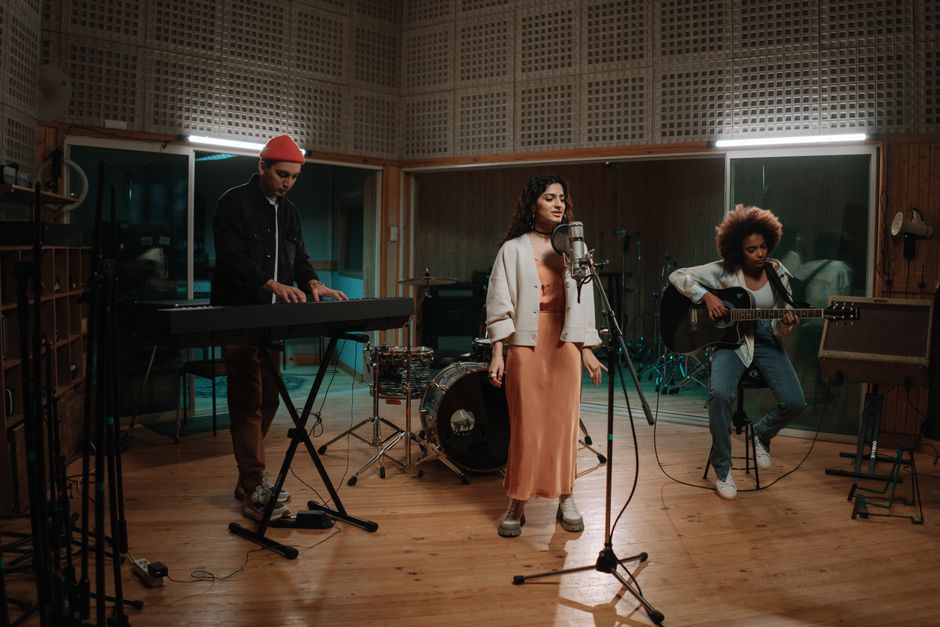
- ASCAP, BMI, SESAC, and GMR are the main performing rights organizations (PROs) in the U.S. They collect public performance fees from businesses that play music publicly, then distribute royalties to songwriters and publishers. Public performance means any use of music played in a business or public setting — including Pilates studios, gyms, restaurants, and stores.
Playing music without the proper licenses officially constitutes copyright infringement and can result in fines or legal action.
Do Pilates Studios Require These Licenses?
The short answer: Yes, if you’re playing copyrighted music publicly, you generally need to have licenses from ASCAP, BMI, SESAC, and GMR or your local PRO equivalents.
The longer answer depends on how you’re using music in your Pilates studio.
When is music considered a public performance in a Pilates studio?
- Playing music during classes to set atmosphere and tempo. Using speakers to broadcast playlists in waiting areas or studios. Streaming music through business accounts or commercial-grade sound systems.
If you’re using music under any of these scenarios, this is a "public performance," and from a legal standpoint, licensing is required.
What if I only use personal music streaming accounts like Spotify or Apple Music?
Personal accounts for Spotify or Apple Music explicitly state they are not licensed for business or public performance use. Using these personal subscriptions to play music in your studio can put you at risk for copyright violations.
Instead, commercial or business-grade streaming services exist that include appropriate licensing fees. Or you can purchase licenses directly from the PROs for performance meditationmusiclibrary.com rights.
Music as a Tool, Not the Star
While music adds energy and ambiance, it should never overpower or distract from the instructor’s cues in Pilates classes. From my experience, the greatest impact comes from music used thoughtfully, as a supportive tool rather than the main event.
Tempo selection by class type (BPM)
Matching your music’s Beats Per Minute (BPM) to the class intensity and pacing is essential:
- Gentle mat classes: Often benefit from slower, calming tempos (60-90 BPM) to encourage mindfulness and control. Reformer and strength-based classes: Moderate tempos (90-120 BPM) help maintain steady rhythm and engagement without rushing. Cardio or fusion classes: Faster tempos (120-140 BPM) safely increase energy and motivation.
I keep my playlists labeled by BPM ranges rather than “vibes” to ensure consistent pacing and thoughtful music selection. This reduces sudden changes that can jar participants and maintains class flow.
Instrumental vs Lyric-based music: Keeping clarity in cue-based classes
For cue-heavy classes like Pilates, where instructors need to provide precise verbal directions, instrumental tracks outperform lyrical songs every time. Here’s why:
- Lyrics compete for focus with your voice, causing students to miss critical instructions. Instrumental music or ambient sounds maintain atmosphere without distracting the listener. My personal “ no lyrics during footwork” rule helps keep clarity in segments requiring sustained verbal cueing.
This choice also reduces the need to raise your voice, preserving vocal health over years of teaching.
Volume Safety and Teacher Vocal Health
One of my quirks—and something I always test before class—is the “ can I speak normally?” test. If you feel compelled to yell over the music, the volume is too loud. Overly loud speakers not only strain your voice but also risk discomfort or hearing damage for your students.
- Keep sound levels moderate enough to be clearly heard but easy to speak over without shouting. Use quality audio equipment to maintain clarity even at moderate volumes, avoiding muddy or distorted sound. Avoid playlists with sudden volume drops or spikes that cause you to instinctively raise your voice repeatedly.
Preserving your vocal health is vital for a sustainable teaching career.
Example Cost Breakdown for Licensing
If you are considering the investment in licenses, here’s an example product pricing for context:
Product Name Approximate Monthly Cost (USD) Heart Alignment (Pilates Class Subscription) $49.00In comparison, licensing fees vary based on studio size, frequency of music usage, and PRO agreements but typically range anywhere from $200 to $800 per year per-license for small to medium studios. These costs are a critical part of operating legally and having peace of mind when playing music publicly.
Final Recommendations for Pilates Studio Owners
Obtain licenses from ASCAP, BMI, SESAC, and GMR or choose a commercial streaming service with proper licensing to cover your public music performance. Use instrumental music during classes to ensure clear instructor communication. Curate playlists by BPM ranges to match class intensity and maintain flow. Keep volumes moderate so instructors can speak normally and students stay comfortable. Avoid personal streaming accounts for public use to prevent copyright infringement.By respecting music licensing laws while thoughtfully incorporating music as a background tool—not the star—you protect your business and provide an optimal experience for your clients.
Need help building legally compliant playlists tailored to Pilates? I’m always happy to share my favorite instrumental playlists organized by BPM or discuss licensing options for your studio. Feel free to reach out!