Long before laptops, phones, and digital bingo halls like those at MrQ (mrq.com), people found ways to entertain themselves and connect through games. In this post, we'll explore the fascinating history of games 12,000 years ago and the archaeology of games, tracing how human play evolved from rock carvings to digitized features like automatic number marking (also called auto-daub or auto-mark).
Along the way, we’ll look at how familiar rules help reduce friction, how convenience features enhance enjoyment today, and why hybrid games like Slingo perfectly illustrate this ongoing journey. Plus, we’ll draw insights from Smithsonian Magazine's ancient games coverage and community stories featured on The Yeshiva World (YWN).
The Ancient Roots of Human Play
According to Smithsonian Magazine's ancient games article, archaeological evidence points to board games and competitive pastimes dating back some 12,000 years. That’s way before the invention of writing or paper!
- Game boards scratched into stone or carved in bone — These reflect some of the earliest physical representations, showing humans enjoying strategic or chance-based entertainment. Early dice, counters, and pebbles — Objects used to move pieces or determine chances, similar in concept to modern playing cards or bingo balls.
These findings tell us that while the material culture was very different, the *core human desire to play, compete, and socialize* stayed the same.
What Stayed the Same: Familiar Rules and Patterns
The essence of many ancient and modern games is familiarity. Players know the rules and patterns, which reduces friction — the difficulty or hesitation in starting to play. Whether it’s recognizing a full house (a poker hand consisting of three of a kind plus a pair) or knowing when to shout "Bingo!", a shared understanding makes the experience more engaging.
This principle also explains why classic games have endured and adapted across millennia.
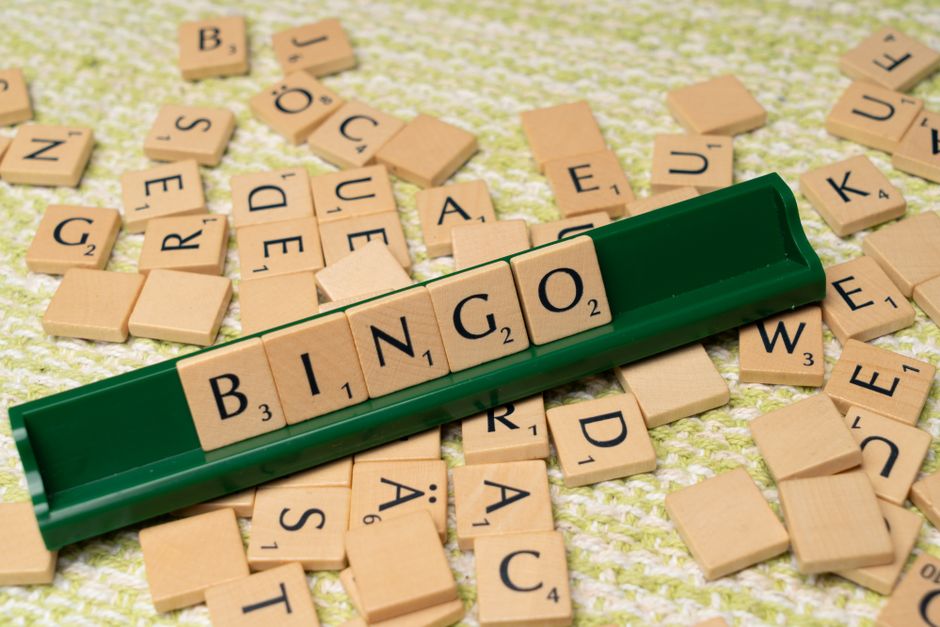
Bingo: From Paper Cards to Digital Convenience
Bingo is a great case study in how games evolve while preserving familiarity. For centuries, bingo was played using physical cards marked with numbers, and players used small old school games online tokens or dabbers (marker pens) to cover called numbers.
Today, online platforms like MrQ offer digital bingo halls where convenience features make play seamless:
- Automatic number marking (Auto-daub/auto-mark) — Instead of painstakingly marking each number, this feature automatically marks numbers as they're called, letting players focus on the excitement instead of the chore. Laptop and phone play — Players can join games anywhere, without needing to carry physical cards or dabbers.
While the medium has changed, the rules and social thrill of bingo remain constant, showing how digital tools reduce barriers to entry without losing what makes the game special.
Why Convenience Features Matter
By streamlining mundane tasks like marking cards, features like auto-daub make the game accessible to both newcomers and long-time fans. This convenience encourages more frequent play and social connection, addressing modern lifestyles where attention is scarce.
Hybrid Games and Cultural Crossovers: Slingo as a Fusion Example
Hybrid games combine elements from different traditional games to craft new experiences. Slingo, for example, merges bingo with slot machine mechanics, creating a fast-paced game blending luck and strategy.
These hybrids play on familiar rules while introducing digital innovation:

- Quick rounds suited to phone screens and casual play Visual effects and feedback unavailable in purely physical contexts Easy social sharing and friendly competition embedded online
Such games demonstrate how ancient Click here for info gaming concepts keep evolving, influenced by new technologies and cultural shifts.
Community Voices: What Players Say
Platforms like The Yeshiva World (YWN) highlight how communities bond over games old and new, sharing stories beyond mere developer demos or marketing fluff.
"I love that even on my phone, playing bingo feels like that big community gathering we had — just without the hassle of keeping track of my card," said a longtime player on YWN forums.
This testimonial underscores two enduring truths:
Familiar gameplay builds emotional connections. Technological aids enhance, rather than replace, the social essence of games.The Evolution Table: From Ancient to Modern
Era Materials Game Types Key Features Modern Analogues 12,000 years ago Stone, bone carvings Board games, chance & strategy Physical counters, dice Physical board and dice games Pre-paper era Tokens, colored stones Counting, racing-style games Manual marking, simple rules Card games, dominoes Paper-based era Printed cards, pens, dabbers Bingo, poker, cribbage Manual marking, tactile play Physical bingo halls Digital era Pixels, sensors Online bingo, Slingo, social games Auto-daub, instant feedback, social chat Mobile, laptop play on sites like MrQWrapping Up: Play Changes, But Play Remains
Humans have played games since the dawn of culture — with stone, bone, or beads. What drives the continuing evolution is the desire to connect through familiar rules that reduce friction and convenience features that lower effort.
From the scratchings found in archaeological digs spotlighted by Smithsonian Magazine to the digital lobbies of MrQ, play adapts but never loses its core. Hybrid forms like Slingo remind us that innovation doesn’t replace tradition — it amplifies it.
And as The Yeshiva World community shows, players cherish experiences that highlight interaction and joy, not just flashy tech or empty promises. So whether you’re clicking “auto-daub” on your laptop or gathering around a carved board with friends, the spirit of play continues to connect us across ages.