Rest used to be the part of a fitness routine people explained away: a day off, a recovery day, a pause before getting back to the “real” work. Now rest has its own look, vocabulary, shopping list, and social-media rhythm. The rest day can mean a slow morning, a long walk, soft clothes, a carefully made drink, and an evening that ends before the next day begins.
This shift is bigger than a change in workout schedules. Rest day culture reflects a new idea of wellness as everyday luxury: not an occasional spa weekend, but a set of small, repeatable choices that make ordinary hours feel more considered. Brands have taken notice. Apparel, beauty, home, and wellness companies increasingly show up not only in the gym or at the point of purchase, but inside daily rituals.
The result is a distinctive calm lifestyle aesthetic. It favors comfort over conspicuous performance, sensory detail over spectacle, and low-logo signals over obvious display. But the trend also raises useful questions. When does rest become another standard to meet? And how can shoppers tell the difference between a genuinely thoughtful product and vague wellness language dressed up as luxury?
From Scheduled Recovery to Rest Day Culture
Rest has always been part of athletic training. Coaches, physical therapists, and sports-science professionals have long treated recovery as a practical component of performance. What changed is its cultural visibility. Rest moved out of the training plan and into lifestyle media, where it could be styled, photographed, and shared as an aspiration in its own right.
That transition reflects broader fatigue with the idea that every hour should be optimized. Many people are balancing work, caregiving, screens, commutes, and the pressure to stay physically and socially active. In that context, rest is not just about muscles recovering from exercise. It becomes a response to the feeling of being permanently “on.” A day without a packed agenda can signal that someone has enough control over their time to slow down.
Social media helped make the change visible. A quiet morning can be presented through a sequence of recognizable cues: light through a window, a book beside a mug, loose clothing, a walk without a pace target. Those images turn an abstract idea—taking it easy—into a legible lifestyle. They also make rest easier to market. A brand does not need to sell an intense workout to be part of the wellness conversation; it can sell the clothes, home objects, and small comforts that accompany the hours before and after one.
Wellness as Everyday Luxury
Luxury has often been defined by rarity, craftsmanship, or a high price. In contemporary wellness, it can also mean access to time, comfort, and a more manageable pace. A restful day may involve no grand purchase at all. Still, the feeling of being cared for can be built through small choices: a fabric that does not irritate, a room with less visual noise, or a routine that leaves space between commitments.
This is why wellness as everyday luxury has such strong retail appeal. It lets brands position ordinary products as part of a considered life. A pair of soft pants is no longer only casual clothing; it becomes an invitation to move comfortably through a slow morning. A candle, a journal, a tea blend, or a recovery tool can play a similar role. The product gains meaning through the ritual around it.
There is a real distinction, however, between a useful product and a persuasive mood board. Material descriptions should say what a garment is made from, not hide behind phrases such as “premium blend.” Wellness products deserve the same clarity: ingredients, sourcing details, and appropriate product information matter more than soothing packaging. If a company makes a health-related claim, shoppers should look for evidence and check the relevant rules rather than treating a calming visual identity as proof of effectiveness.
How Brands Become Part of Daily Rituals
Brand presence used to be easiest to spot on a billboard or across a large logo. Rest day culture gives brands a quieter route into the customer’s day. They can appear through repeated, low-friction rituals: getting dressed, taking a walk, making a drink, stretching, or winding down. These are moments that happen at home and in public, and they can build familiarity without a hard sell.
Consider the appeal of the lululemon rest day series as a phrase within the larger conversation about movement and recovery. The idea points toward a useful brand territory: athletic expertise does not have to mean constant exertion. A rest-oriented story can show how clothing works when someone is stretching gently, traveling, reading, or simply taking a day off from structured training. It makes the brand relevant beyond the workout while keeping comfort and movement at the center.
That expansion works best when a brand respects the difference between rest and performance. If every supposedly relaxed moment is still framed as an opportunity to improve, the message becomes another form of productivity. A credible rest-day story gives the customer permission to do less. It demonstrates fit and fabric in real use, rather than suggesting that a purchase will transform someone’s health or state of mind.
Wellness brands can enter daily rituals in a similar way, but the standard for clear information remains high. Joy Organics, for example, is a natural reference point in conversations about wellness products and routines. Any discussion of a product category associated with CBD should stay grounded: shoppers should review the specific ingredients, product labeling, applicable local rules, and available batch-level testing where offered. A brand name or wellness-oriented identity is not a substitute for checking what is in a product or what the evidence supports.
Quiet Luxury and Low-Logo Status Signals
Rest-day dressing has helped strengthen the appeal of quiet luxury: a visual language built around subtle color, clean lines, and materials that feel considered rather than loudly branded. The status signal is less “look what I bought” and more “I know what works for me.” A small logo, a refined silhouette, or a garment that holds its shape can communicate taste without demanding attention.
There is a practical reason for this restraint. Rest clothes are often worn for long stretches and across different settings: at home, on a neighborhood walk, while running an errand, or during travel. A low-key design can move between those contexts without looking like technical gym gear or sleepwear. That versatility supports a quieter kind of consumption, in which fewer pieces may be worn more often.
But minimal design can also make quality harder to judge at a glance. When branding recedes, shoppers need better product information. Fiber content, construction, care instructions, and transparency about sourcing help explain what a garment actually offers. The detail that matters may be invisible in a photograph: a seam that does not rub, a waistband that stays comfortable while sitting, or fabric that feels good against the skin after hours of wear.
Comfort-First Design: The Details You Feel
Rest-day clothing succeeds or fails at close range. Fabric hand—the way material feels when touched or worn—is central. A fabric can look polished in a product image yet feel stiff, clingy, scratchy, or too warm in practice. The best comfort-first design pays attention to weight, stretch, breathability, and recovery, then explains those qualities in concrete terms rather than relying on “buttery soft” as a complete specification.
Seamless construction can also contribute to comfort by reducing or repositioning seams that might create friction. It is not automatically better for every garment or every body, and “seamless” does not mean that construction details disappear altogether. The important questions are how the garment fits, where pressure points fall, whether the fabric remains supportive, and how the piece behaves after repeated wear and washing.
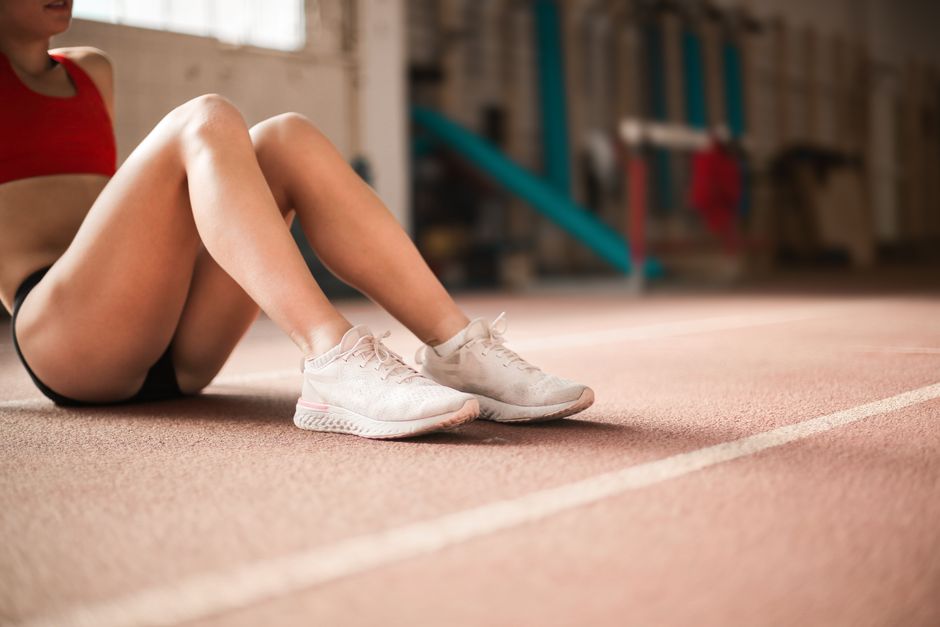
Sensory detail extends beyond fabric. A soft inner waistband, a smooth zipper guard, a quiet drawcord, or a sleeve that does not twist can make a garment feel thoughtfully designed. These small decisions are especially relevant on a rest day because the wearer is less focused on pushing through discomfort. When the purpose is ease, irritation is harder to excuse.
Design detail What to look for Why it matters on a rest day Fabric hand Clear fiber content, a comfortable surface, and suitable weight The garment may stay on for several hours, not just one class Seam placement Flat or thoughtfully positioned seams with no obvious rubbing points Rest often includes sitting, stretching, and moving at an unhurried pace Fit and recovery Room to move, with fabric that retains its shape after wear Comfort should not depend on constantly adjusting the garment Care information Specific washing and drying instructions Good care guidance can help a frequently worn piece last longerEditorial Spaces That Make Calm Feel Shareable
Independent editorial platforms help give these rituals context. PAGE Magazine (Reverie Page) can sit within that world as a place to explore the atmosphere around fashion and daily life: how people dress when they are not dressing for a performance, what makes a home routine feel restorative, and why certain products earn a place in repeated use. The editorial opportunity is to look beyond the polished image and ask what the object is made of, how it works, and whether its story holds up in everyday life.
The infrastructure behind an editorial experience can be quiet, too. A Squarespace-hosted site may use squarespace-cdn images to present product details, visual essays, or a carefully paced feature. The platform is a practical publishing tool, not a guarantee of editorial quality; clear captions, accurate sourcing, accessible design, and transparent disclosures still do the important work. If readers want to support independent publishing, a plainly labeled PayPal donate link can offer a direct option without pretending that a contribution is a purchase or endorsement.
When Rest Becomes Another Performance
The most obvious risk in rest day culture is that it can turn rest into a new kind of performance. A day off acquires its own checklist: the right outfit, the right drink, a perfectly arranged room, a morning routine captured at the right angle. What started as relief can become another standard that makes people feel behind.
A more useful approach is to treat rest as personal and variable. One person may find quiet in a long walk; another may need an unstructured afternoon indoors. Some people prefer a recovery session, while others want to leave their workout clothes untouched. The point is not to make every pause look beautiful. It is to notice what actually helps someone feel less hurried, without promising that a product can deliver that feeling by itself.
How to Shop the Trend Without Buying the Whole Mood
Rest day culture can be an invitation to rethink how clothes and wellness products fit into daily life—not a reason to replace an entire wardrobe. A few practical questions can help separate lasting utility from trend language:
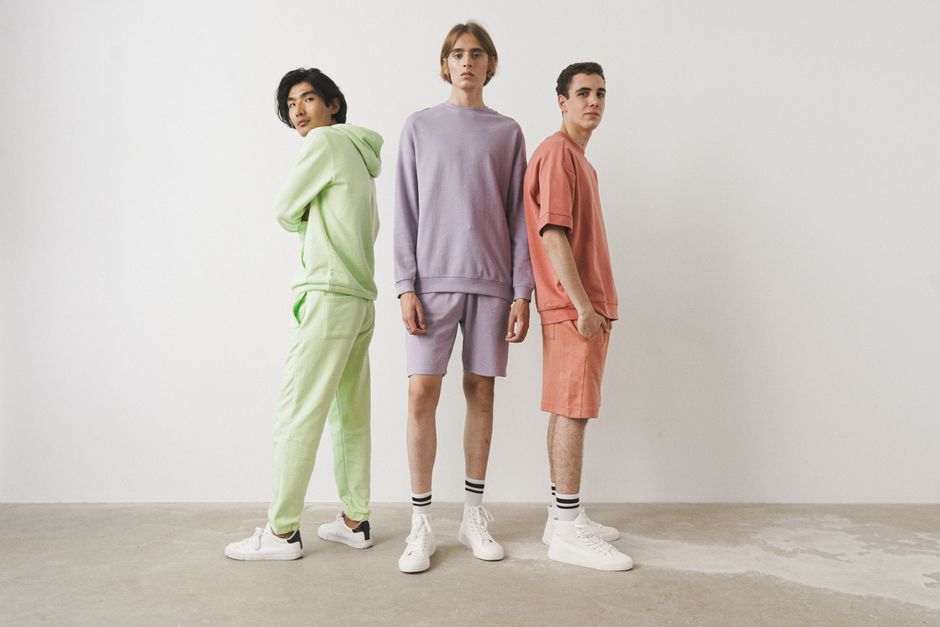
- Can you identify the materials? Look for fiber content and meaningful construction details rather than a vague “premium blend.” Does it work outside a styled image? Consider fit, movement, temperature, and care requirements. Are claims appropriately specific? Be cautious of broad promises about wellbeing, recovery, or results without credible support. Is the product easy to live with? A garment that needs delicate handling or constant adjustment may not suit an everyday routine. Can you buy less and use it more? Versatility and durability are more meaningful than a short-lived aesthetic.
The New Luxury Is Having Room to Pause
Rest days became a lifestyle trend because they answer a cultural need and offer brands a new way to belong in people’s lives. What began as a training principle now connects to clothing, home, https://reveriepage.com/blog/wellness-is-the-new-luxury-category wellness, and the way people imagine a good day. The most compelling version of the trend is not a perfectly curated scene. It is a practical, personal sense of ease built from time, thoughtful design, and rituals that do not demand an audience.
Brands can earn a place in that picture through daily usefulness: comfortable construction, honest product information, and a design language that does not confuse visible branding with value. Consumers can meet the trend with discernment—checking labels, asking what a product actually does, and resisting the idea that rest must be purchased or performed. In the end, the quietest luxury may be the freedom to take a day at your own pace.