It usually happens at the exact wrong moment: someone reaches across the table with a fresh drink, knocks a card out of place, and leaves a damp ring beside the game board. Nobody meant to cause trouble. The drink station was just too far away—or, more likely, there wasn’t one at all.
The fix isn’t to give a pregame lecture about careful elbows. It’s to make refilling somewhere else easier than refilling over the game. Set up a clear drink zone, keep the gathering contained to one room, and use the natural pauses in the event to send people on quick refreshment runs. That’s how you get to no refills at the table without turning game night into a rule-enforcement shift.
After years of hosting in apartments and busy family homes, I’ve learned that small layout decisions do a lot of work. Here’s a practical system to reduce spills game night, whether the centerpiece is a board game, the NFL game on TV, or both.
Make the Refill Route Obvious
People refill over the board when the table is the easiest place to do it. Change the room so the easiest route is away from the game.
Choose a sideboard drink station—or a console, kitchen counter, sturdy cabinet, or folding table—and put it on the same level as the game area. It should be visible from the seats, but not tucked behind someone’s chair or hidden around a corner. If guests have to ask where drinks are, or squeeze between players to get to them, they’ll improvise. And improvisation tends to involve cups hovering over the cards.
Give the station a simple setup:
- Put out water, cans, bottles, and any mixers people might need. Set out a bottle opener, napkins, and a small bin for caps and empties. Keep a coaster at the station, too. I keep a stack of coasters close enough to grab without thinking; it’s a small ritual that prevents a surprising number of rings. Leave room for guests to set down a drink while they pour or choose another one. Put a towel nearby, not across the room. Spills are easier to handle when cleanup is immediate.
A sign can help, but it doesn’t need to sound like a warning label. “Refills over here” is friendly and clear. The goal is to make the station feel like part of the gathering, not a punishment for having a drink.
Contain the Party to One Room
If the snacks are in the kitchen, the drinks are in the hallway, the TV is in the living room, and the game is in a second room, guests spend the night crossing paths with full cups. That’s an obstacle course with a board game in the middle.
When possible, contain the party to one room. Keep the best bags for game pieces game, viewing area, snacks, and drinks in the same general space, but give each activity its own zone. The play area should stay clear, while people can stand, refill, or grab a snack at the perimeter. In a small apartment, that might mean the game table is in the center, the sideboard drink station is against a wall, and snacks sit on a separate surface near the entrance.
Don’t try to make one table do every job. A dining table covered with a board, bowls of chips, drinks, phones, and score sheets has no safe place left. Separate surfaces, even if they’re compact, create useful boundaries: food goes here, drinks go there, and the game stays put.
As guests arrive, assign a coat spot right away. It keeps jackets off chairs and clears the paths people use to get to the drink station. A little traffic control at the door pays off once the room fills up.
Use Football as the Event Clock
If the NFL is on, the broadcast can do more than provide background noise. It can give the evening a natural schedule. Rather than interrupting a close game whenever someone wants a refill, use the breaks that are already built into the event.
Before kickoff, tell guests where the drinks and snacks are. During the game, invite people to top up at halftime, at the end of a quarter, or during a commercial break—especially when you’re between rounds. This makes refills feel like part of the flow rather than a disruption to the person who’s explaining the rules or taking a turn.
The key is not to pretend every gathering follows a perfect TV schedule. Commercials vary, plays run long, and people will want water at different times. Still, football works well as an event clock because it gives everyone shared pauses. If the game is on in the same room, guests can make a quick refill run without missing much and without reaching across the board.
For a casual gathering, say it once in a relaxed way: “I’ll pause between rounds for refills—drinks are on the sideboard.” That’s more effective than repeatedly asking people to be careful after a spill has already happened.
Match the Game to Attention Span and Time Windows
Not every board game fits every viewing party. A long, strategic game may be great when the group has set aside the evening for it. It’s a harder fit when guests are also watching football, checking the score, chatting, and getting up for snacks.
Think about how long people will be able to focus, and how often the room will naturally pause. If guests will be following the NFL game, choose something that can survive interruptions: a short round, clear turn structure, or a game people can join without a long explanation. If you want a longer game, start it before kickoff or set aside a defined window for it.
Here’s a simple way to plan around attention and time:
Gathering moment Good game fit Refill plan Guests are arriving Quick, easy-to-join game or no game yet Show everyone the sideboard drink station Pre-kickoff window A short game with a clear finish Invite guests to get a drink before play begins During the broadcast Light game that tolerates pauses Use commercials or quarter breaks for refills Halftime Reset, switch games, or take a break Make this the main refreshment window Late in the evening Short final round or open conversation Keep water and cans easy to reach away from the boardA good host doesn’t have to keep the room occupied every minute. A pause is useful. It gives people time to refill, check the score, stretch their legs, and return to the game without a cup traveling over the cards.
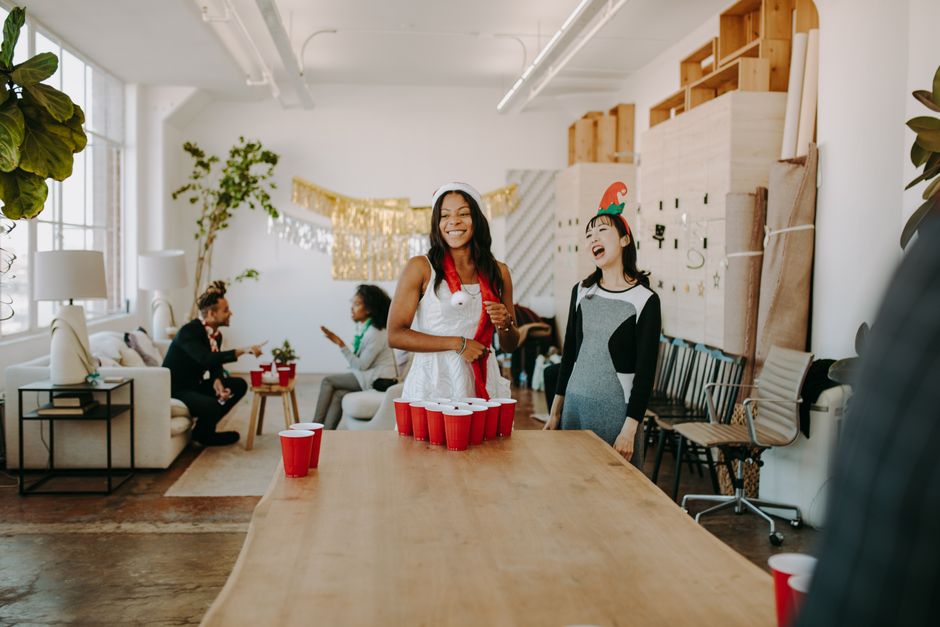
Build a Spill-Resistant Drink Strategy
There’s no such thing as a completely spill-proof drink setup, especially in a lively room. But you can lower the risk by limiting how much liquid is near the game and choosing drinkware that’s less likely to tip.
Keep drinks off the play surface
The clearest rule is the simplest: drinks belong on a separate surface, not on the game table. Coasters help protect furniture, but they don’t make a cup safe beside a stack of cards. If the table is crowded or someone is reaching across it, even a stable glass can get bumped.
Choose steadier containers
At the game table, favor cans, bottles with secure lids, or low, wide tumblers over tall, top-heavy glasses. For children or guests who tend to set drinks down wherever they find space, use lidded cups. Keep open pitchers and bottles at the drink station rather than passing them above the board.
Use a cooler for backup drinks
A cooler can keep cans and bottled water cold without adding another crowd around the refrigerator. Put it beside the sideboard drink station or just outside the main traffic lane, not beside the game table. Restock the station in batches during a natural break rather than carrying a full cooler through the play area mid-round.
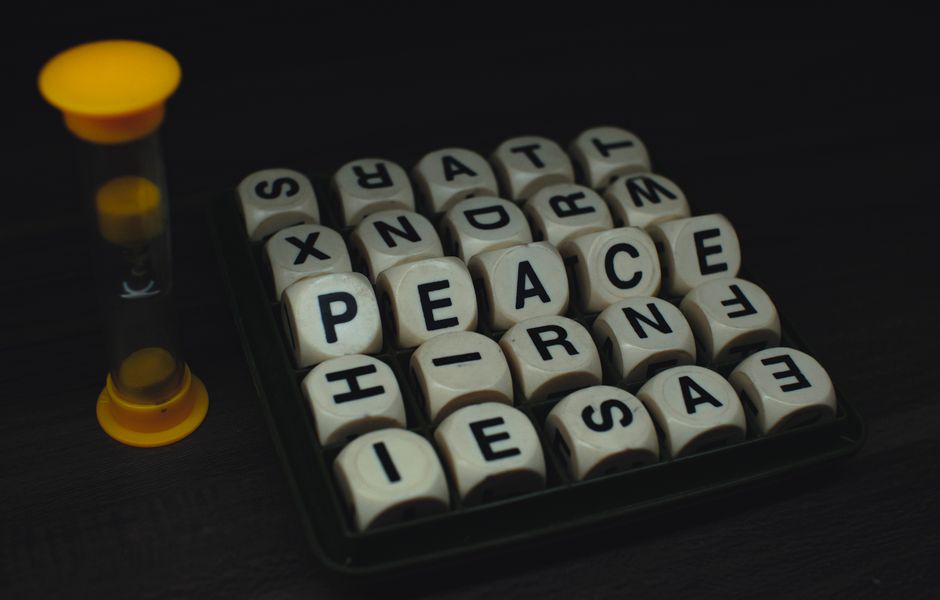
Protect the game, not just the furniture
Use the board game’s insert or a tray to keep unused components together. Keep cards in sleeves if the game gets frequent play. Put pieces and tokens in small bowls or organizers so they’re less likely to scatter when someone clears space for a drink. And avoid putting greasy snacks directly beside cards: chips, wings, and buttery popcorn are a fast route to marked components, even when no liquid spills.
Most importantly, keep a clear edge around the play area. People need a place to rest their hands and move pieces. If the whole table is packed, someone will set a drink in the only open spot—which is usually right beside the board.
Think About the Table Before Guests Arrive
The right table can make game night more comfortable, but no piece of furniture replaces a good drink policy. If you’re looking at a dedicated gaming table, Bandpass Design’s The Dresden is a board game dining table designed for game sessions that also need to work as a dining space. A dedicated play surface can help keep components organized and provide a more comfortable place to gather.
Still, drinks need a designated home away from the board. Even with a table built for gaming, keep the sideboard drink station in the plan, and make the route to it easy. A premium table won’t stop an elbow from catching a glass that’s perched right beside a pile of cards.
Pricing note: No prices were listed for The Dresden table or any products in the scraped text referenced for this post, so I’m not quoting a price. Check Bandpass Design for current product details and availability rather than relying on an old mention or an estimate.
Set the Boundary Without Making It Awkward
Most guests don’t need a stern speech. They need a clear cue before the first round starts. Try one of these:
- “Drinks are on the sideboard, and we’ll take a refill break at halftime.” “Let’s keep the board clear, so please leave drinks at the drink station.” “Grab a fresh drink between rounds—no refills over the table, please.”
If someone forgets, redirect them kindly: “I’ll get that for you—let’s do it over here.” This keeps the correction light and reinforces the setup. You’re not scolding anyone; you’re protecting the game and making the next turn easier to see.
It also helps to make the rule apply to everyone, including the host. If you refill your own drink over the board, guests will assume it’s fine. Put your cup down at the station, use the coaster, and take the extra few steps.
A Simple Pre-Game Checklist
Choose a sideboard or separate surface for drinks. Put the cooler, water, cans, openers, napkins, and coasters in one easy-to-find zone. Keep food and drinks away from cards, tokens, and the main play area. Clear a path between seats and the station; assign a coat spot at the door. Pick a game that fits the time available and the group’s attention span. Set a refill rhythm around kickoff, commercials, quarter breaks, and halftime. Explain the plan once, warmly, before the game starts.The Short Version: Make the Safe Choice the Easy Choice
To stop people from refilling drinks over the board game, don’t rely on reminders alone. Give drinks their own visible place, keep the party’s main activities in one room, and use football’s natural pauses to create refill windows. Match the game to how much attention your guests actually have, and choose stable, easy-to-handle drink containers.
Most game-night spills aren’t caused by careless people. They’re caused by a layout that asks someone to pour, reach, or squeeze past the play area. A sideboard drink station, a cooler in the right spot, a clear path, and one friendly rule make no refills at the table feel normal. Then the board stays dry, the cards stay clean, and the only thing migrating to the couch cushions is somebody’s jacket—not the game pieces.