There’s something deceptively simple and haunting about a coin toss in a horror scene. The act itself—just a flip of a small, ordinary object—carries tension beats and moral weight that can transform a moment from mundane to terrifying. Writers and filmmakers have been using coin tosses to unsettle audiences in ways that go beyond mere chance. Drawing on insights from film analysts like Seat42F and institutions like the British Film Institute (BFI), this post will unpack how you can craft a truly scary scene using a coin toss by exploring themes like chance vs intention, fairness as a moral trap, audience complicity, and the pitfalls of image power vs metaphor accuracy.
Why a Coin Toss? The Power of Simplicity in Horror
Before delving into the mechanics and thematic layers, it’s vital to understand why a coin toss resonates in horror. Unlike firearms or complex machines, a coin is a simple, everyday object that everyone understands and has likely used. This familiarity creates immediate accessibility but also opens a pathway to explore primal fears around fate, choice, and justice. The coin toss becomes not just a plot device but a ritualistic moment where randomness and deliberate choice collide.
Key Themes to Elevate Your Coin Toss Scene
- Chance vs Intention as Horror Fuel Fairness as a Moral Trap Audience Complicity in Game Scenes Image Power vs Metaphor Accuracy
1. Chance vs Intention as Horror Fuel
One of the coin toss's unique qualities is how it embodies the tension between pure chance and human intention. The flip itself is random, but the setup—the decision to toss the coin, the conditions surrounding it—reflects human agency and stakes.
Take the iconic “heads or tails” moment in a dark thriller. The character forcing a coin toss is not merely relying on luck but imposing a psychological game. The randomness of the toss amplifies suspense because it removes control from both characters and audience, replacing it with uncertainty. However, intention lurks behind the toss: Why is it happening? What will the outcome trigger?
Seat42F discusses how scenes like these pivot fear off balance: the coin toss acts as a hinge in the narrative, deciding who lives, who dies, or who falters morally. The coin toss tension beats arise precisely because chance disrupts the audience's expectations but within a controlled frame. This interplay forces viewers to confront unpredictability juxtaposed with human designs.
2. Fairness as a Moral Trap
The coin may seem like the ultimate arbiter of fairness, a simple 50/50 chance that leaves no room for bias. Yet, in horror, this fairness is often a trap—a cruel mockery of justice.
Imagine a character forced to comply with a deadly coin toss. The fairness of the game is its threat: even the most morally righteous are subject to fate’s whim, which can lead to horrifying consequences. This needful things vs angel heart false promise of fairness invites the audience to judge the outcome based on an ethical scorecard, but the randomness undermines all moral assumptions.
The BFI’s insights on narrative ethics highlight that fairness as a threat works because it manipulates audience expectations about justice. The coin introduces a seemingly level playing field but weaponizes fairness. The “rules card” here is the idea that chance is impartial, yet characters suffer profoundly. This sometimes leads to shocking outcomes that defy neat moral resolutions, keeping viewers unsettled long after the scene ends.
3. Audience Complicity in Game Scenes
When a coin toss scene unfolds, the audience occupies a unique role: participant, witness, and judge. This complicit position heightens fear because viewers mentally engage in the stakes, oftentimes imagining how they themselves would react or feel under that pressure.
The so-called “forced participation dialogue” is crucial here. Characters may debate the rules, plead, bargain, or threaten around the coin toss, reinforcing the gravity of the event. This dialogue pulls the audience deeper into the psychological game. The viewers are no longer passive recipients but co-creators of fear through their emotional investment and anticipation.
For example, in films like “No Country for Old Men”, the coin toss scenes aren’t just plot points—they’re interrogations of fate, morality, and control. The audience’s discomfort grows as they mirror the characters’ helplessness, creating a shared vulnerability that is the essence of horror.
4. Image Power vs Metaphor Accuracy
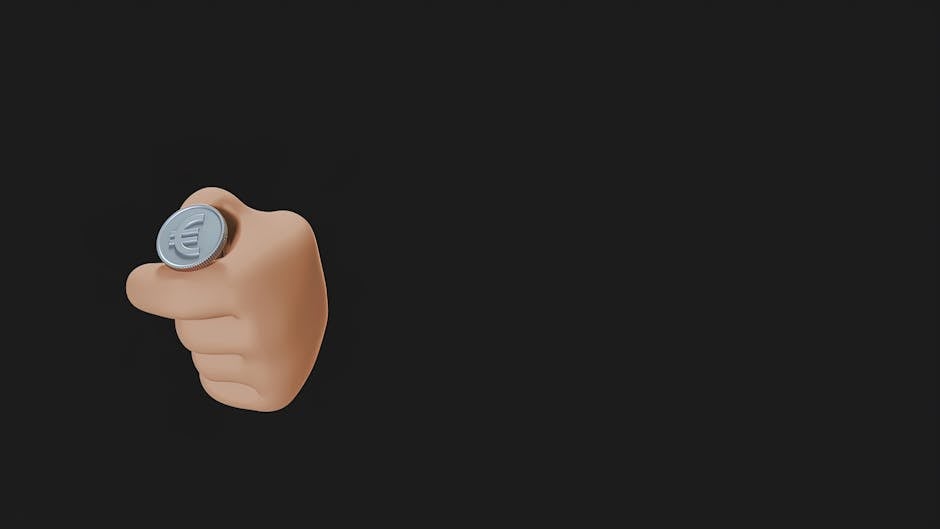
The image of a spinning coin in the air is visually compelling—capturing motion, uncertainty, and suspense in a single frame. This visual power helps directors communicate tension instantly. But there is often a gap between the power of the image and the accuracy of the coin toss as a metaphor.
Filmmakers sometimes use coin tosses metaphorically—to symbolize destiny, judgment, or fate’s cruelty—without fully addressing the underlying logic that makes such metaphors resonate realistically. This contrast can be either a strength or a weakness. When a scene’s metaphorical meaning is too loosely tied to the actual dynamics of chance and choice, the tension can slip into cliché or feel unearned.
Knowing when to lean into the image’s symbolic weight or when to scrutinize the mechanics can help you maintain authenticity. The coin toss as a “rules card” in your story needs consistent logic even when it carries metaphorical heft.
Building Your Own Scary Coin Toss Scene: A Step-by-Step Guide
Define the Stakes Clearly: What is at risk in the coin toss? Life, sanity, loyalty? The higher the stakes, the more terrifying the scene. Use Forced Participation Dialogue: The moment should include dialogue that reveals reluctance, agreement, or protest among characters. This dialogue draws the audience in and establishes psychological tension. Highlight the Moral Ambiguity: Emphasize fairness as a threat—show how the impartiality of the coin toss creates a moral trap with no winners. Create Visual Focus on the Coin: Film or write the toss with detailed attention—the glint of the coin, the slow spin, the inevitable landing—maximize image power. Engage the Audience’s Complicity: Through pacing and point-of-view, invite the viewer or reader to feel the burden of the toss, experiencing suspense and fear alongside the characters. Subvert Expectations Carefully: If you break traditional rules—say, the coin lands but fate betrays the result—signal this shift subtly to avoid confusing or frustrating the audience.Examples from Film and Analysis
Film Scene Description How the Coin Toss Works Source of Horror No Country for Old Men Anton Chigurh uses a coin toss to decide a man’s fate at a gas station The toss is presented as “fair” but loaded with fatal consequences Chance and moral ambiguity trap both victim and audience The Twilight Zone: "The Crossing" episode Characters forced to choose fate through a coin Gameplay motif with dialogue emphasizing forced participation Audience witnesses a perverse “game” of life and death The Purge Coin used as a tool for deciding who lives in desperate situations Fairness weaponized within a brutal societal system Social commentary enhances horror via the moral trapFinal Thoughts: Make the Coin Toss Less About the Coin, More About What It Represents
Crafting a scary scene with a coin toss isn’t about the gimmick of a spinning coin itself but how that action underscores themes of chance, control, and moral chaos. By combining chance vs intention tension beats with the unsettling betrayal of fairness, you can tap into primal fears that resonate on multiple levels.
Audience complicity is your secret weapon—make viewers feel as though they’re drawn into the toss, not just watching it unfold. Harness the unforgettable visual power of the coin’s flight, but anchor it in metaphorical and narrative accuracy so that the fear lands true and hard.
Remember that a coin toss scene is a mini cosmic reckoning where fate, free will, and morality clash violently. With careful writing and cinematic awareness—guided by critical insights from resources like Seat42F and the BFI—you can transform a simple coin toss into one of the most memorable and chilling sequences in your horror story.