Picture this: you’re following a live stream of a classic RPG reboot on Twitch. The chat is buzzing, debating whether the hero should save the village or chase the mysterious villain. The streamer pauses for a community poll, and thousands of viewers weigh in. Suddenly, you’re not just watching — you’re part of the story, invested in every twist and turn. This is the power of choice in gaming: turning a interactive media future passive audience into active participants who care deeply about outcomes.
The Emotional Pull of Choice in Games
To understand why making choices in games hooks us emotionally, think about your favorite fan forums or streaming chats. When a game hands you the reins — letting you decide character fates, moral dilemmas, or narrative paths — it sparks personal stakes in the unfolding tale. This blend of player agency and consequence creates a unique connection that mere spectatorship can’t match.
Nostalgia as Emotional Connection and Comfort
Fast forward to any nostalgic game remake or reboot discussion thread. Players often rave about how even subtle choices align with cherished memories from the original. Nostalgia isn’t just sentimental fluff—it grounds us emotionally, offering comfort in choices we recognize.
- Choosing a familiar dialogue option triggers memory of past experiences and feelings. Reliving iconic moments with control over outcomes offers a warm blend of past and present engagement. Shared nostalgia across social platforms amplifies the bond, as fans exchange their choices and reactions.
This blend of familiarity and emotional resonance acts like a comfy hoodie on a cold day — it keeps players invested because they feel at home, even as new story branches emerge.
Familiarity and Continuity in a Fast-Changing Digital World
In today’s whirlwind of new apps, ever-updating platforms, and rapidly shifting internet trends, familiar games offer a stable anchor. When a game respects a player’s past choices or echoes previous playthroughs, it rewards loyalty and continuity.
Recall how some franchises use save-data carryovers or "memory" features. These tools remind you of your last choice, reinforcing that your decisions matter beyond a single session. It’s like bumping into an old friend on a social why nostalgia sells content platform — comforting familiarity amidst noise and chaos.
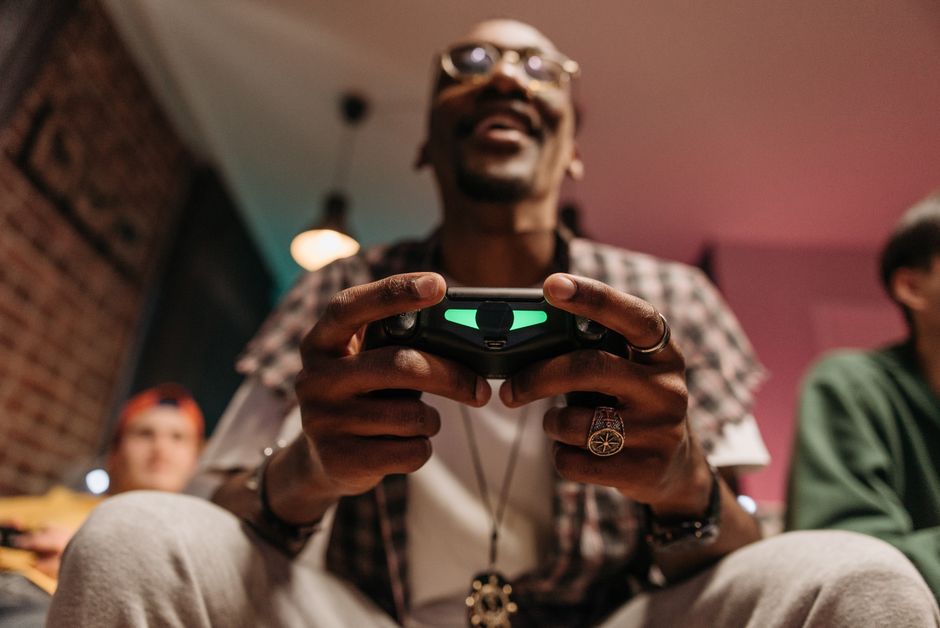
Interactivity: Turning Audiences Into Participants
Streaming platforms like Twitch or YouTube Gaming illustrate this perfectly. When streamers enable chat polls or branching story votes, viewers shift from passive watchers to active contributors. This style of gameplay:

Lets the community collectively shape the story. Invokes a sense of responsibility for the direction chosen. Fuels emotional highs and lows because the outcome reflects group input.
Imagine watching a choose-your-own-adventure style game where your votes decide if the protagonist trusts a shady NPC or not. Every choice carries weight because a real crowd stands behind it, making engagement a shared journey rather than an isolated event.
Engagement and Retention Through Choice and Contribution
From a community manager perspective — the kind of person who sees thousands of forum posts and chat logs daily — emotional investment is the secret sauce to keeping people sticking around. When players know their choice outcomes influence the game world or story, they’re more likely to:
- Keep playing to explore different consequences. Participate in social discussions and debates about choices made. Return for updates or live events that build on their decisions.
It’s a far cry from passive consumption. This active engagement through decision-making turns a game session into a dynamic, evolving narrative both individually personal and socially shared.
Summary Table: Emotional Investment and Player Choice
Aspect Description Real-Life Example Nostalgia Familiar storylines and characters evoke comfort and emotional bonds. A forum thread about “favorite dialogue options in the classic game” sparks community memories. Continuity Games that remember past choices reinforce personal investment over time. Save file carryovers showing past endings shape new gameplay paths. Interactivity Live polls and chat participation turn viewers into co-authors of the narrative. Twitch streams where chat votes on the hero’s moral decisions. Engagement Players return and discuss because their choices have visible impact. Ongoing fan discussions debating whether “Choice A” was better than “Choice B.”Final Thoughts: Choice as the Heartbeat of Emotional Investment
When games hand over meaningful choices — layered with nostalgia and supported by social platforms and streaming interactions — players don’t just watch or play, they become emotionally intertwined with the story. This turns fleeting gameplay moments into memorable experiences.
So next time you find yourself debating which decision to make in a narrative game, remember it’s not just about the story— it’s about owning a piece of it, feeling it, and connecting to others who’ve walked the same branching paths. That’s the real magic behind player agency and emotional investment.