When you invest in quality menswear or leather goods, a reliable zipper is often a silent hero. Despite its small size, the zipper plays a crucial role, especially on items like briefcases, jackets, and boots, where durability meets daily use. But how do we quantify “durable” when it comes to zipper longevity? How many open-close cycles should a zipper survive before it shows signs of failure? This question leads us into a detailed discussion about zipper cycle testing, the nuances of leather tannage, and why hardware quality truly matters.
Understanding Zipper Cycle Testing
Zipper cycle testing is a standardized way to determine how many times a zipper can be opened and closed before it fails. The test simulates real-life usage, often performed in a lab using mechanical devices that Click for source repetitively zip and unzip at a controlled speed and tension. The purpose? To assess daily use durability and give manufacturers—and ultimately buyers—a reliable expectation of lifespan.
YKK, a global leader in zipper manufacturing, is considered the benchmark for zipper cycle testing. Their zippers routinely pass rigorous tests involving tens of thousands of cycles, making them coveted for products requiring long-term reliability. For context, many YKK zippers are rated for at least 20,000 open-close cycles, with some specialized zippers far surpassing that number.
Why the Zipper Is the Common Failure Point
While great attention is often given to leather grade and tanning methods, the zipper tends to be the first visible hardware to show battle scars. It’s moving metal, subjected to shearing forces, abrasion, and tension—conditions that no Helpful resources leather, no matter how premium, will face.
Common zipper failure modes include:
- Broken or bent teeth/stoppers causing jamming Slider wear that leads to decreasing grip on teeth Corrosion or plating flaking on the metal parts
These failures remind us that even the highest-grade leather paired with the lowest-grade zipper hardware leads to disappointment. Conversely, excellent hardware on moderate leather better preserves functionality.
Leather Grade Truth Versus Marketing Labels
Before we delve deeper into zipper quality, a quick word on leather. The market is rife with vague terms like “genuine leather,” “premium leather,” or worse, “luxury leather.” These labels are marketing fluff at best and can mislead buyers expecting durability and wear-resistance.
The reality is more nuanced:
- Full-grain leather: The top layer of the hide, retaining natural grain and markings, providing the best durability and aging potential. Top-grain leather: Sanded and buffed, slightly less durable but still good quality. Genuine leather: Often lower quality split leather with heavy surface treatments.
Brands like Von Baer, which proudly display strict quality controls and vegetable tanning techniques, show how real leather craftsmanship differs from marketing jargon. The transparency around leather grade is critical because the longevity of any leather good starts here—and poor-quality leather cannot be saved by hardware.
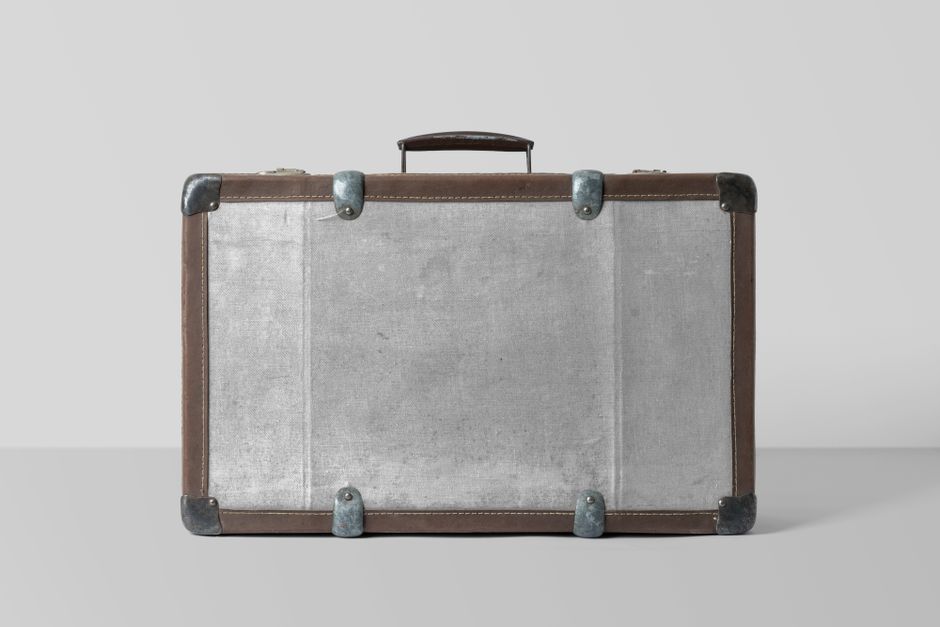
Vegetable Tanning vs Chrome Tanning
Leather tanning methods impact both aesthetics and durability. Vegetable tanning uses natural tannins from tree bark and plants, creating leather that develops a beautiful patina over time. This is the method favored by premium leather artisans, including those certified by Cuoio Superiore, the prestigious Italian certification seal supporting vegetable-tanned leather goods that meet rigorous standards.. Exactly.
Chrome tanning, in contrast, employs chromium salts for faster processing and produces softer, more flexible leather initially but often less durable over decades. Chrome-tanned leather can sometimes feel synthetic and may degrade faster, especially under heat and moisture stress.
For someone relying on leather goods daily, especially on items subjected to travel or weather, vegetable tanned leather paired with high-quality hardware like YKK zippers remains the best combination for durability.
Zipper Quality: Why YKK Is the Benchmark
In my years handling warranty repairs and evaluating repair intake, one trend is clear: zippers stamped with the YKK logo outperform virtually all other brands. The YKK group’s philosophy emphasizes engineering, precision manufacturing, and rigorous testing, including their closure cycle testing that exceeds industry averages.
Here are some key reasons YKK remains the top choice in zipper technology:
Consistent manufacturing: YKK operates numerous integrated plants controlling the entire production chain, ensuring quality control from start to finish. Cycle testing: Their tests involve continuous zipping/unzipping up to 30,000 cycles or more depending on the product line, significantly beyond typical expectations. Real-world testing: YKK zippers undergo tests that simulate environmental stresses such as temperature variations and moisture exposure. Robust design features: High-grade brass or aluminum teeth, corrosion-resistant treatments, and hardened sliders reduce the usual failure points I’ve seen in cheap zippers.Let me tell you about a situation I encountered wished they had known this beforehand.. When shopping for quality leather goods, always check the zipper teeth and slider for the YKK imprint. It’s the best assurance you aren’t dealing with a weak hardware point that will fail after a few months of daily use.
Hardware: The Achilles’ Heel of Leather Products
Leather craftsmanship often justifies higher prices with claims of grade and tanning process, but hardware sometimes doesn’t receive equal attention. I have encountered many items boasting “top grain” leather or featuring the Cuoio Superiore seal, only to discover plated hardware snapping or peeling off within weeks.
Zippers, rivets, snaps, and buckles experience constant mechanical wear and environmental exposure, and plated finishes on hardware tend to flake and corrode. Worse, some zippers use brass plating over base metals, which can rust and weaken quickly.
That means the greatest point of failure in a supposedly “luxury” product is often the hardware, the zipper being prime among them. This reinforces why zipper cycle testing and choosing reputable manufacturers like YKK is essential when evaluating durability.
Comparing Zipper Open-Close Cycle Ratings
The following table summarizes typical zipper open-close cycle endurance for various brands and finishes, based on publicly available data and warranty experience:
Brand/Type Typical Cycle Rating Common Usage Key Notes YKK (standard brass zipper) 20,000–30,000+ High-end leather goods, luggage, apparel Rigorous testing, corrosion resistance YKK Vislon (plastic teeth) 10,000–15,000 Outdoor gear, bags Lightweight, good corrosion resistance Generic brass/plated zippers 5,000–10,000 Budget leather goods, fashion apparel Prone to plating flaking and teeth breaking Unknown off-brand zippers ~3,000 or less Low-cost fashion, disposable items Cheap materials and manufacturingThese numbers demonstrate how zipper selection directly impacts the expected daily use durability of a product and why brands like Von Baer and Cuoio Superiore endorsed manufacturers select high-grade YKK zippers to match their superior leather.
How to Check Zipper Quality Yourself
Before buying leather goods—especially online where you can’t physically test the zipper—there are a few tricks I rely on:

If possible, also use resources like Unsplash or Pexels to find high-resolution images of similar products to examine zipper construction more closely.
Conclusion: Daily Use Durability Depends on More Than Leather
In summary, the longevity of a zipper depends heavily on high-quality hardware and proper testing, with YKK setting the gold standard in zipper cycle testing and durability. While the leather’s grade and tanning process—ideally vegetable tanning certified by organizations like Cuoio Superiore—affect aesthetics and aging, the zipper and other hardware are the common points of failure under everyday use.
When shopping for leather goods, do not overlook hardware quality. Check for zipper brand stamps, insist on specific durability claims, and balance expectations between leather craftsmanship and reliable zipper performance. After all, a vegetable-tanned full-grain leather briefcase with a subpar zipper won’t survive daily flights and client meetings as gracefully as one equipped with a YKK zipper engineered for 20,000+ open-close cycles.
By understanding zipper cycle testing and the nuances of leather and hardware quality, buyers can make informed decisions that lead to long-lasting, truly durable purchases.