After twelve years of traversing the UK, from the rugged coastlines of Northumberland to the historic closes of Edinburgh, I have developed a singular, persistent habit: I walk into a room, clap my hands twice, and wait. I’m not testing for echoes for a musical performance; I’m testing for the "human hum." If a stone-walled ballroom sounds like a cold, cavernous void when empty, it’s going to be a nightmare for your guests once they’ve had a glass of champagne. There is nothing less "relaxed" than a heritage venue that swallows conversation whole, forcing your guests to shout across tables just to be heard.
There is a dangerous trend in wedding planning that suggests that if you just throw enough fairy lights and "blank canvas" draping at an old building, it will magically transform into a festival-style party. Let me be the one to tell you: it won’t. In fact, trying to force a historic, architectural marvel into a "blank canvas" box usually results in a visual clash that looks like a high-street party store threw up in a cathedral. Instead, let’s talk about how to lean into the heritage, respect the stone, and create an atmosphere that feels effortless, authentic, and genuinely relaxed.
The Pinterest Paradox: Reality vs. The Curated Feed
We all love Pinterest. I use it Click for more to track color palettes, and I know many of you have boards dedicated to "rustic chic" or "boho heritage." But here is where the disconnect happens: Pinterest shows you the photo, not the aisle width. It shows you the table setting, not the lack of natural light or the fact that the floor is uneven stone that makes stilettos a hazard.
When you are planning your day, stop treating the venue as a stage set that needs to be "fixed" with decor. If you are choosing a heritage venue, you are choosing it for its bones—the exposed beams, the sash windows, the centuries of stories embedded in the masonry. Use Pinterest for inspiration on color theory or floral textures, but do not let it dictate your layout. Your venue has a soul; don't smother it with decor that looks like it belongs in a marquee. A relaxed wedding is one where the decor complements the architecture, not one that fights it for attention.
Authenticity and Architectural Texture
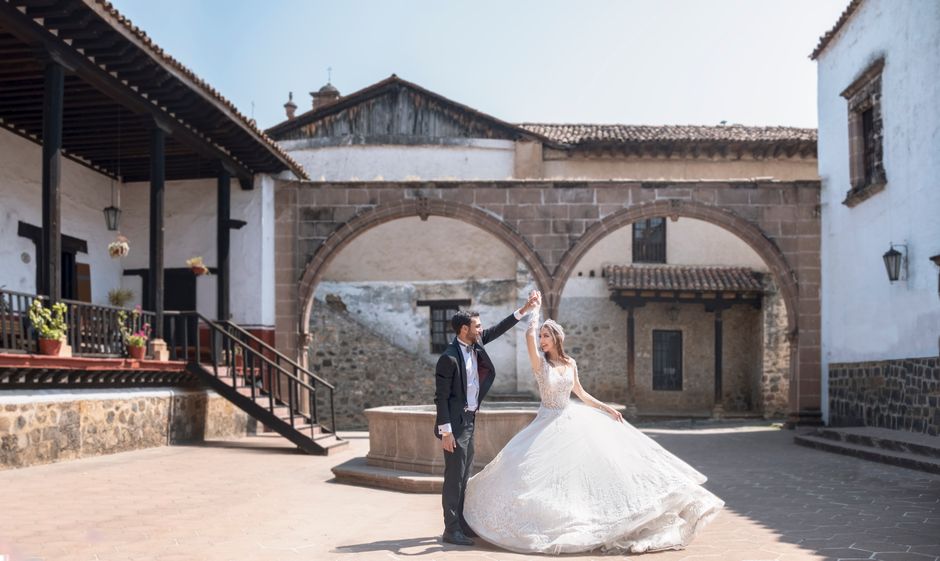
Heritage venue styling isn't about hiding the age; it’s about highlighting the texture. If you have rough-hewn stone walls, don't try to cover them with pipe-and-drape. Let them breathe. Use the natural textures of the building to dictate your color palette.
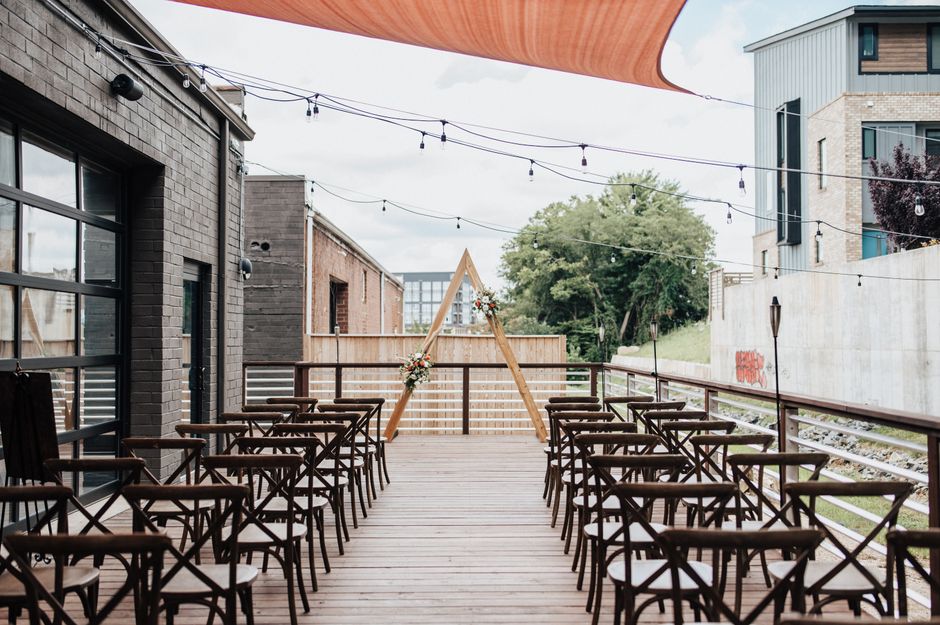
I carry a tiny tape measure on every site visit, not just for the aisles (which, believe me, are often far too narrow for a wide dress, causing a bottleneck at the start of the ceremony), but to see how furniture fits into the existing "nooks." A relaxed vibe comes from avoiding the "banqueting hall" layout. If the room has alcoves or period details, use them for stations—a gin bar, a photo memory table, or a seating area with mismatched velvet chairs. Don't fight the layout; curate it.
Comparing Approaches: Formal vs. Relaxed Heritage Styling
Element The "Stuffy" Heritage Approach The "Relaxed" Heritage Approach Seating Perfectly aligned, equidistant rows Clustered seating, varied table shapes Lighting High-intensity, cold spotlights Candlelight, warm fairy lights, natural light Dress Code Black Tie/Strict Formal Dress Code Optional or "Smart-Casual" Flow Strict "Queueing" for food/drinks Grazing stations, wandering serviceSense of Place and Local Identity
A heritage venue is anchored in its geography. Whether it's a coastal keep in Northumberland or a town-centre building in Edinburgh, the venue has a local identity. Lean into it. Instead of importing flowers that look like they belong in a tropical resort, work with a local florist who understands the local flora.
When I visit venues like The Venue at Eskmills, I am always struck by how they manage the balance between their historic industrial shell and a modern, relaxed social atmosphere. It works because it doesn't try to pretend it’s a castle when it’s an old mill. It embraces its roots while providing a space for a 21st-century party. If you are in a stone building, serve local ale or Scottish whisky. Use local produce for your menu. When the venue feels like an extension of the surrounding landscape, the formality melts away because the space feels "right" rather than "staged."
Photo-Friendly Details: Chasing the Light
My biggest professional quirk is ranking venues by their "photo corners." I’m not talking about staged selfie stations with props; I’m talking about how the light hits a particular window at 4:00 PM or how the shadow falls across a stone archway. When you want a relaxed wedding, your photos should reflect that. Candid photography is the lifeblood of a relaxed wedding.
Identify the "soft" spots in your venue:
- The Window Seat: Usually the best place for natural light portraits without the stress of a posed shoot. The Rain Plan Realism: If it pours (and in the UK, it often does), where are you taking photos? A venue with a beautiful indoor heritage feature—a conservatory, a library, a high-ceilinged atrium—is worth its weight in gold. The "Human Scale" Zones: Avoid massive, empty rooms. Use smaller, interconnected spaces where the light is intimate and the acoustics keep the conversation buzzing.
The Dress Code Optional Philosophy
If you want a relaxed atmosphere, you have to signal it to your guests, and the biggest signal is the dress code. "Dress Code Optional" or "Smart-Casual" is a breath of fresh air in the heritage venue world. It breaks the tension created by marble floors and gilded mirrors. When guests aren't worried about their heels sinking into the grass or their ties feeling like a noose, the atmosphere changes instantly. They are more likely to participate, to move around the venue, and to genuinely enjoy the historical character of the building rather than feeling like they are on display in a museum.
Practical Tips for a Relaxed Flow
Don't overpromise on "Blank Canvas": I see too many couples sold the dream of a "blank canvas" in a heritage space. It’s not a blank canvas; it’s a historic building with structural requirements, acoustic challenges, and fixed points. Accept the building for what it is, and you’ll save thousands on decor you don't need. Consider the acoustics: If the room is all stone, bring in soft furnishings. Rugs, heavy velvet curtains, or even extra floral installations can act as sound dampeners, making the room feel warmer and more intimate. Use your social channels wisely: Whether you are sharing your planning process on Facebook, tagging your venue on X, or pinning your progress on Pinterest, stay true to the vibe. If you want a relaxed day, don't pin photos of stiff, formal weddings. Share the venues that actually facilitate the style you want. The "Eskmills Effect": Observe how top-tier venues like The Venue at Eskmills facilitate movement. They prioritize a flow that encourages guests to wander, mingle, and explore the site, rather than trapping them at a formal table for six hours.Final Thoughts: Tell Your Story
Heritage venues provide a built-in narrative. They have seen weddings for decades, perhaps centuries. Your wedding is just the latest chapter. When you are writing that chapter, don't try to write it in a different genre. If you’ve chosen an old, textured, storied building, let your wedding be a celebration of that history. Authenticity is the ultimate luxury. It’s what makes a guest feel welcome, it’s what makes for a brilliant photo, and it’s the secret ingredient that turns a formal, stiff heritage site into the most relaxed, beautiful memory of your life.
For more inspiration on how to marry the old with the new, I always recommend checking out Want That Wedding (wantthatwedding.co.uk). They do an excellent job of showcasing real weddings that embrace the venue's natural character rather than trying to overhaul it. Keep your planning realistic, keep your tape measure handy, and for heaven's sake, stop https://smoothdecorator.com/is-a-light-filled-wedding-venue-better-than-a-moody-one/ calling every room "stunning" and start asking: "How does it sound when it's full of people?"