When shopping for a diamond, especially a special one like an engagement ring, many factors come into play. Among the technical grading terms you’ll see on diamond reports, polish and symmetry are often mentioned. But how important are these in choosing a sparkling, stunning diamond? This post dives deep into the nuances of polish and symmetry, how they relate to the overall diamond cut quality, and why the complete picture matters more than isolated grades.
Before we begin, a quick reminder from my years in the industry: Always ask for the laboratory report number to verify the authenticity of your diamond’s grading report through official databases — don’t rely on vague terms like "certified" alone. Whether you’re browsing with renowned experts like Hatton Garden Jewellers or verifying your purchase online, tools like the Gemological Institute of https://bizzmarkblog.com/marquise-diamond-looks-huge-is-it-just-the-shape/ America (GIA) diamond quality factor pages and their laboratory report number database are your best friends.
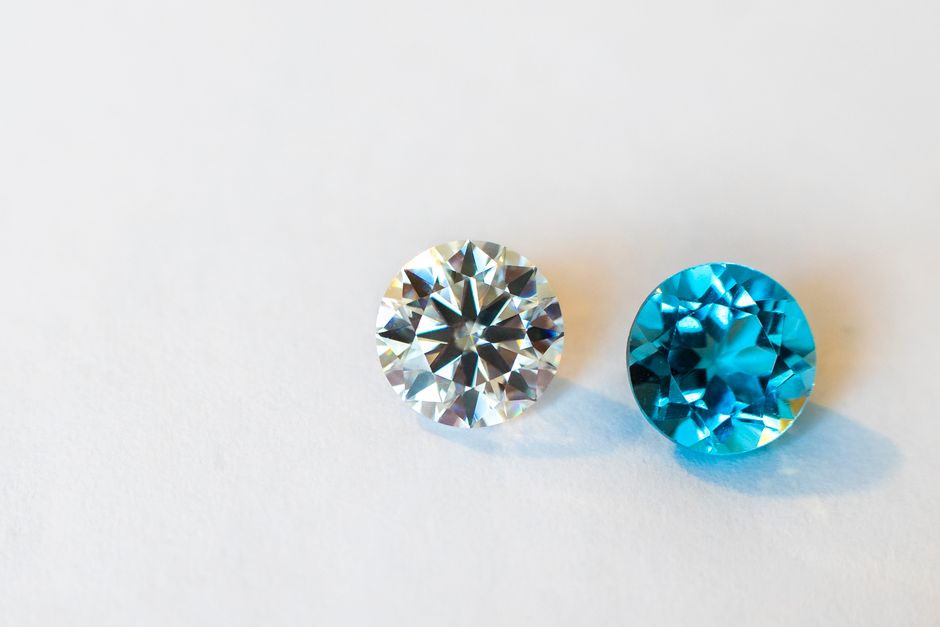
Understanding Polish and Symmetry on a Diamond Report
“Polish” and “symmetry” form part of the diamond's overall cutting quality, but unlike carat or color, they determine how well the diamond’s facets interact with light at a micro level. Both affect the stone’s brilliance, fire, and scintillation, but they don’t exist in isolation.
- Polish refers to how smooth the diamond’s facets are after the cutting process. Rough or hazy surfaces scatter light, reducing sparkle. Symmetry relates to the precision of the facets’ arrangement and placement. Well-aligned facets reflect light efficiently, maximizing brilliance.
On most diamond grading reports, including those from GIA, polish and symmetry are graded as Excellent, Very Good, Good, Fair, or Poor. Typically, "Excellent" polish and symmetry are desirable, but is it worth paying a premium for? Let’s explore.
The Four Cs and How Cut Drives Sparkle
Most buyers start off fascinated by the Four Cs: Carat, Cut, Color, and Clarity. But it’s the cut — a combination of proportions, polish, and symmetry — that primarily drives a diamond’s sparkle.
The Four Cs What They Represent Influence on Appearance Carat Weight of the diamond Size, but can be deceptive without proportions Cut Faceting, polish, symmetry, proportions Brightness, fire, sparkle Color Degree of colorlessness Whiteness or warmth of the stone Clarity Presence of inclusions and blemishes Transparency and eye-cleanlinessCut encompasses polish and symmetry but also includes facet angles, table size, depth percentage, and girdle thickness. For example, even an 1-carat diamond with excellent polish and symmetry can look dull if the cut is too deep or shallow.
If you want to really understand how cut grades impact sparkle, the GIA cut grading system is an excellent resource. It explains why cut trumps carat weight in everyday visible beauty and why cut grade incorporates both polish and symmetry in its overall score.
Why Verifying the Grading Report Matters
In my experience, one of the biggest mistakes buyers make is overlooking grading report authenticity. When you see terms like “Excellent Polish” or “Ideal Cut,” always ask for the laboratory report number, then verify it in official databases.
Reports from trusted labs like the Gemological Institute of America (GIA) are reliable, but counterfeit or altered reports exist too. Some retailers or mobile platforms – yes, even apps like MRQ, a mobile casino app famous for user entertainment experiences – promise "certified" diamonds but fail to specify the lab or provide verifiable report numbers.
Here’s a quick checklist to verify a diamond report:
Obtain the full laboratory report number from your jeweller. Visit the lab’s official report-check page (e.g., GIA’s report check). Input the report number and confirm the details exactly match the diamond being offered. Check all grading details especially cut, polish, symmetry, carat weight, and measurements.If you’re shopping with a reputable jeweller like those in Hatton Garden Jewellers, you can expect this transparency, but always verify yourself to avoid surprises.
Carat vs. Visible Size: It’s All About Measurements and Proportions
Many buyers confuse carat weight with how large a diamond appears. Carat is weight, but how big the diamond looks depends on its shape and proportions.
For example, two diamonds with the same carat weight can look very different based on their diameter, depth, and pavilion angles. A very deep cut diamond with 1 carat can look visually smaller than a 0.90-carat diamond with a more shallow, broad cut. The key is to check the precise measurements listed on the grading report, often given in millimeters across length, width, and depth.
When judging size, also consider your finger size and ring setting style—these can enhance lab grown diamond disclosure or diminish the perceived size.
Shape and Perceived Size: Oval, Pear, Marquise vs. Round
Shape plays a huge role in how big a diamond looks on the finger. While round diamonds dominate sales due to classic brilliance and ideal facet arrangements, fancy shapes like oval, pear, and marquise can look larger for the same carat weight because of their elongated outlines.
- Oval cut: Elongates fingers and appears larger face-up compared to round due to extended length. Pear cut: Combines round and marquise shapes to maximize size and artistry. Marquise cut: The most elongated shape, maximizing surface area and perceived size.
However, these shapes require excellent cut proportions and good symmetry to avoid light leakage and reduce the “bow-tie” effect — a dark area that can occur along the center.
Round diamonds, by contrast, usually carry the most consistent brilliance because their facet patterns are optimized, but face-up size sometimes feels smaller than fancy cuts of equal carat.
Final Thoughts: Polish and Symmetry Are Important But Part of the Bigger Cut Quality Puzzle
So, do polish and symmetry matter? Absolutely — but only as integral parts of the cut quality equation, which itself usually trumps color or clarity when it comes to visible sparkle and beauty.
Key takeaways:
- Excellent polish and symmetry complement good proportions to maximize brilliance. Don’t fixate on polish and symmetry alone—look at the full cut grade and detailed proportions. Verify grading report numbers directly with labs like GIA to avoid ambiguity and misleading claims. Consider diamond shape and its effect on perceived size more carefully than just carat weight.
If you’re buying from a trusted source like Hatton Garden Jewellers, don’t hesitate to ask for the grading report number and spend time reviewing it yourself. Trust but verify is the rule. And if you want to keep your knowledge sharp while you browse, check out GIA’s online educational resources to understand what really makes diamonds dazzle.
Remember: a well-cut diamond with slightly less-than-excellent polish and symmetry may outperform a flawless looking diamond with poor cut proportions any day. And that’s the magic trade-off every diamond buyer needs to appreciate!