In my seven years of navigating the intersection of fashion merchandising and editorial styling, I have learned one immutable truth: the most expensive-looking person in the boardroom is rarely the one wearing the loudest brand. After working through countless styling sessions for executives who need their wardrobes to survive a 12-hour workday—not just a curated Instagram photo—I’ve noticed a definitive shift. We are moving away from the era of conspicuous consumption and into the age of inconspicuous consumption.
For the modern CEO, status is no longer signaled by a neon monogram or an oversized fashion-house logo. Instead, status is signaled by restraint. It is a quiet acknowledgment that the wearer’s time, focus, and resources are too valuable to be spent on flashing vanity labels. This is the logo free choice: a sophisticated curation of items that whisper quality rather than shouting it.
The Philosophy of Quiet Status Cues
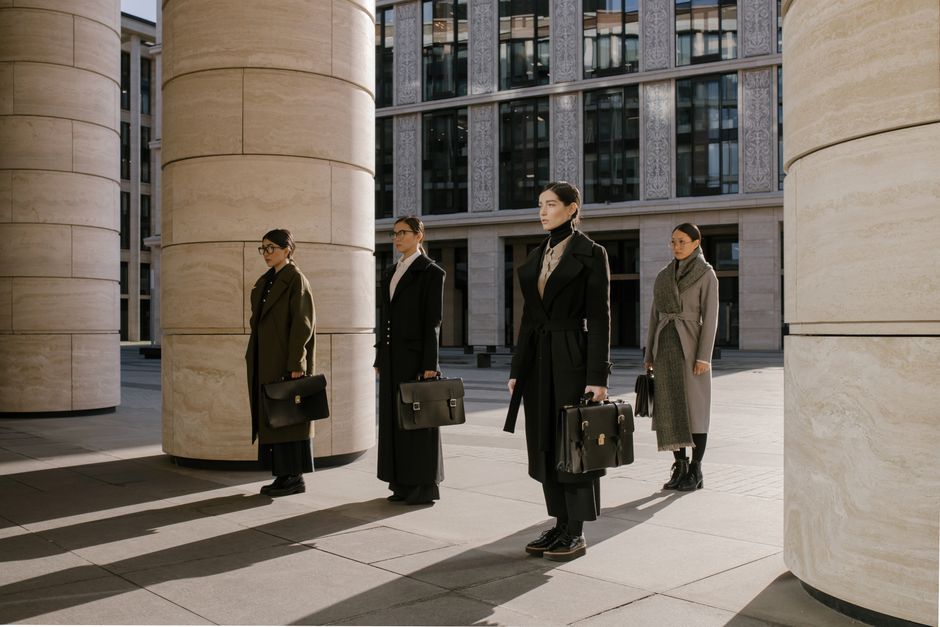
Inconspicuous consumption is the strategic use of quiet status cues. It is the ability to walk into a high-stakes negotiation carrying a briefcase that holds its shape, carries the weight of a laptop and a portfolio without slouching, and does so without a single gold-plated logo screaming for attention. When I consult with clients, I look for items that serve the user, not the brand's marketing department.
I find branded zipper pulls to be particularly offensive. Why should an executive be a walking billboard for a hardware manufacturer? A true luxury piece uses anonymous, high-performance hardware. When I see a YKK tag on an internal seam, I know the piece is built for utility; when I see an unbranded, heavy-gauge pull, I know it was designed for the wearer’s hand, not for the brand’s ego.
Leather Literacy: Why "Genuine Leather" is a Red Flag
One of my greatest professional annoyances is the lazy use of the term "genuine leather." In the industry, "genuine leather" is often a polite euphemism for low-quality split leather—the leftovers of the hide, glued together and embossed to look like the real thing. It doesn't age; it peels.
When selecting accessories for high-performance roles, I always point clients toward full-grain or top-grain vegetable-tanned leathers. Brands like Von Baer have become staples in my recommendations because they prioritize the integrity of the material over mass-market branding. Vegetable tanning is a patient, traditional process that allows the leather to develop a patina. It takes time, it costs more, and it rewards the owner with a product that improves the more it is used.
If a product is marketed without explaining the tanning process or the specific grade of the hide, walk away. You aren't buying an investment; you’re buying a disposable accessory.
The Anatomy of a Failure: The £200 Threshold
I am often asked why I recommend higher-end investment pieces over more accessible, "fashion-forward" alternatives. My answer is simple: the 18-month cycle. In my experience evaluating thousands of bags, briefs priced under £200 almost invariably fail within 18 months.
The failure points are almost always predictable:

- Structural collapse: The bag begins to slump when placed on a table. Lining decay: The interior fabric shreds or separates from the seams. Hardware malfunction: Zippers jam or lose their teeth. Bonded leather disintegration: The edges begin to crack and flake.
When you account for the cost of replacement, buying a £150 bag every year and a half is significantly more expensive than investing in a high-quality piece that lasts a decade. It is also an environmental disaster, which brings us to the importance of the circular economy.
Sustainability and the Copenhagen Fashion Summit Standard
Professional restraint is inherently sustainable. The Copenhagen Fashion Summit has long advocated for transparency, durability, and the reduction of waste in the luxury sector. For a CEO, adopting a "buy once, buy well" mentality isn't just a personal choice; it’s an executive decision that aligns with modern ESG (Environmental, Social, and Governance) values.
When an item is built to be repaired rather than replaced, it changes the relationship between the owner and the object. I personally despise "replace-only" warranties. They are designed to dodge the cost of skilled labor by encouraging you to throw the product in a landfill and start over. I always look for companies that offer repair services or utilize modular construction, ensuring that a snapped strap or a sticky zip doesn't spell the end for a perfectly good briefcase.
The "Airport Test" and Practical Engineering
My quirks aren't just for show; they are vital for the road-warrior executive. I typically rack up 60 to 80 airport segments per year, and I have learned that a bag that tips over when empty is a sign of poor engineering. A bag must be stable.
Furthermore, I carry an A4 sheet of paper with me whenever I test a new bag. If the bag is so soft that it causes the paper to crease or curl when placed inside, it is not structured enough for professional use. Documents, tablets, and devices require a chassis that provides protection. A bag should support your work, not be crushed by it.
Comparative Quality Guide
Feature Budget Accessory (Fail Point) Investment Piece (CEO Standard) Leather Label "Genuine Leather" Full-Grain / Veg-Tanned Zipper Generic/Branded Logo Pulls YKK (High-grade/Silent) Structure Slumps/Collapses Structured/Self-Standing Warranty Replace-only/Dodgy Repair/Refurbishment supportConclusion: Building the Inconspicuous Wardrobe
Building a collection of accessories that fits the "inconspicuous consumption" model requires a shift in mindset. You stop looking for what is trending and start looking for what is enduring. You stop checking the logo and start checking the stitching. You stop asking "Does this look cool?" and start asking "Will this hold up when I’m running to a gate in Heathrow at 6:00 AM?"
By choosing subtle signals—like the weight of a well-stitched seam, the sheen of high-quality vegetable-tanned leather, and the smooth https://www.copenhagenfashionsummit.com/best-professional-briefcases-for-ceos/ glide of a reliable zipper—you are signaling that your status is secure. You don't need a logo to define your presence in the boardroom; the quality of your tools does that for you. Remember: check the zipper brand, test the structure, and for heaven's sake, avoid anything that suggests it was designed to be replaced by next season.