If you have spent any time looking at your own reflection during a Zoom call recently, you aren't alone. In our current digital-first culture, we are more exposed to our own facial features than ever before. Whether it is the unforgiving framing of a video conference or the high-definition scrutiny of an Instagram story, smile aesthetics have shifted from a vanity project to a core pillar of modern self-care. But here is the reality of the situation: when you invest in at-home whitening gels, the "overnight miracle" marketing often falls flat. You find yourself weeks into a routine, holding a syringe, wondering if you are actually seeing progress or if it is just wishful thinking.
As a beauty editor who has spent nine years testing everything from clinical-grade trays to OTC strips, I have learned one vital lesson: whitening is a war of attrition against your daily habits. If you are struggling with slow results, it is rarely the product’s fault. It is usually the result of a lifestyle that is actively fighting against the bleaching process.
Understanding How Whitening Gels Actually Work
Before we look at why your routine might be lagging, we need to strip away the marketing fluff. Most effective at-home whitening gels contain either hydrogen peroxide or carbamide peroxide. These agents penetrate the enamel to reach the discolored molecules inside your teeth. parlorbeauty.co.uk They don’t "paint" your teeth white; they chemically break down the chromogens—the stuff that causes stains—within the tooth structure.
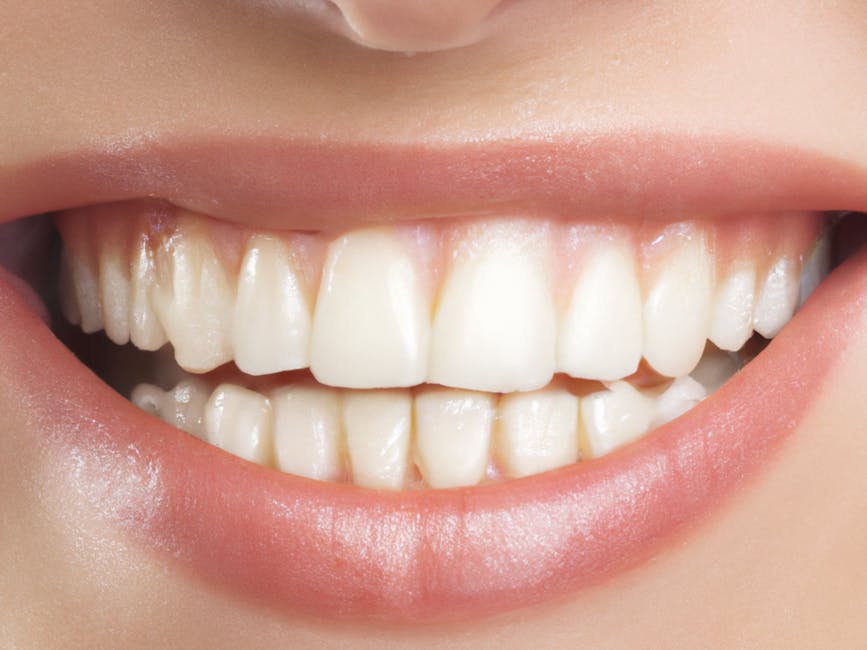
If you are frustrated by your lack of whitening progress, remember that your teeth are porous. If you apply a gel to lift stains but continue to drench your teeth in staining agents throughout the day, you are essentially trying to mop a floor while someone is actively pouring mud onto it.
The "Stain Log" Reality Check
I keep a dedicated note on my phone—the "Stain Log"—where I jot down exactly what I’ve consumed that might be sabotaging my treatments. It sounds obsessive, but it’s the only way to track why some weeks yield visible changes while others seem stagnant. Common offenders aren't just the obvious ones like red wine or coffee; it’s the cumulative effect of what I call "stain-causing habits."
The Impact of Daily Habits
To help you diagnose why your whitening gel seems slow, I have compiled a breakdown of how specific lifestyle choices interact with the chemical process of whitening.
Habit Impact on Whitening Editor's Note Morning Coffee/Tea High staining potential Acidic drinks open the enamel pores; if you whiten at night, these stains settle in deeper. Red Wine Deep chromogen penetration The tannins are the enemy. If you drink this, rinse with water immediately. Smoking/Vaping Significant progress stall The heat and chemicals accelerate surface staining, effectively neutralizing the peroxide. Neglecting Oral Hygiene Plaque barrier If you don't floss, the gel can't reach the plaque-covered enamel.Why "Price Opacity" is the Silent Killer of Progress
One of my biggest gripes with the current market is the frustration of buying high-quality products without clear pricing. When researching platforms like Parlor Beauty or Smile4You, I often find that navigating the cost structure can be a nightmare. There is nothing more annoying than being ready to commit to a routine, only to find the pricing hidden behind a consultation wall or vague "enquire for details" prompts.
Transparency matters. When you don't know the exact cost of a refill, you are less likely to stick to the maintenance schedule. You start rationing the gel to save money, and that is exactly why your results stall. Whitening is about concentration and time; if you aren't using the full, recommended dose because you are worried about the price of the next tube, you won't get the result you want. I always advise readers to budget for the *full* course, not just the starter kit, so you don't have to break your habit mid-way through.
How to Optimize Your Routine Around Real Life
Stop trying to fit your life around lab-condition instructions. If a guide tells you to use a gel for three hours during the day, but you have a Zoom call every afternoon, that instruction is useless. Instead, focus on these practical, habit-based adjustments:
The Pre-Brush Protocol: Never apply whitening gel without brushing and, more importantly, flossing first. Any plaque left on the teeth acts as a shield against the gel. The "Post-Coffee" Buffer: If you drink coffee or tea in the morning, wait at least 30 minutes before brushing, and at least an hour before any whitening application. Your enamel needs time to re-harden after being exposed to acid. The Bedtime Ritual: I find that applying gel right before bed is the most effective way to ensure the product stays in contact with the teeth for the necessary duration without the interference of food or drink. Address Sensitivity Early: Too many instructions ignore tooth sensitivity. If your teeth feel "zingy" or sharp, stop. Using a desensitizing toothpaste or taking a day off is better than damaging your enamel. If you are worried about safety, always refer to the guidance provided by the UK Oral Health Foundation.Digital Visibility and the "Filtering" Effect
We are currently obsessed with the "Instagram smile," but we need to remember that most of those photos are shot in perfect lighting, often with a little bit of color correction. Don't let your progress assessment be dictated by how you look on a screen. If you feel your whitening is slow, take your "before and after" photos in the same room, at the same time of day, using natural light. If you change your lighting, your teeth will look different—this is the most common reason people think their whitening gel isn't working when, in reality, it is.
When Should You Seek Professional Advice?
If you have been consistent with your routine, you are monitoring your coffee/tea/wine habits, you have given it at least four to six weeks, and you see absolutely zero change, it might be time to stop buying over-the-counter or online gels.
Some intrinsic stains—like those caused by medication or trauma—cannot be lifted with standard peroxide-based gels. In these cases, you are wasting your money. Consulting a professional dentist is the only way to know if your teeth are even capable of being whitened further. Don't fall for the "miracle" claims on social media; if your dentist says your enamel is as light as it will naturally go, believe them. Protecting your tooth structure is far more important than achieving an unnatural, chalky-white shade.
Final Thoughts: The Virtue of Patience
Whitening your teeth is not a race. It is a slow, methodical process that requires you to be mindful of your daily intake. If you find yourself frustrated, look at your "Stain Log." Have you been drinking more red wine lately? Did you switch to a more acidic coffee blend? Are you rushing your application?
By shifting your focus from "Why isn't this working?" to "What am I doing that might be staining my teeth?" you can reclaim control over your routine. Use trusted resources like the UK Oral Health Foundation to educate yourself on what is safe, ensure you are buying from reputable sources like Parlor Beauty or Smile4You (and please, manufacturers, make your prices easier to find!), and keep your expectations grounded in reality. Real-life whitening is a marathon, not a sprint—and your teeth will thank you for the steady, careful approach.