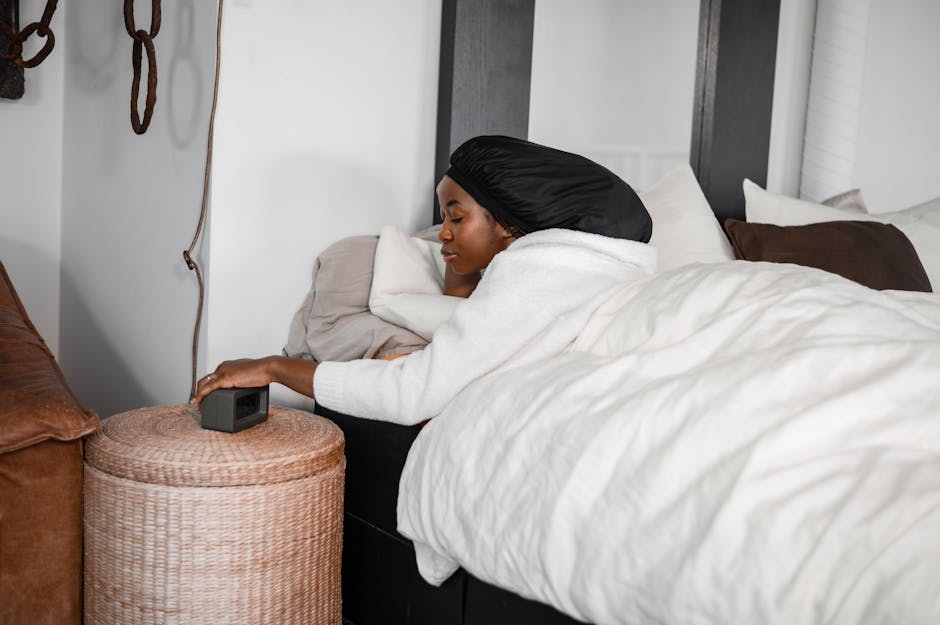
Look, I’ve spent nine years behind a salon front desk. I’ve seen the "just woke up" look walk through the door at 9:00 AM more times than I care to count. I’ve heard the frustration when a client spends three hours on a blowout, only for it to be flattened or frizz-exploded by the time they hit the pillow.
If there’s one thing I’ve learned, it’s that most people treat their hair like it’s a decoration, not a delicate fiber. We spend hundreds on serums and salon visits, then we spend eight hours a night grinding those delicate cuticles into a cotton pillowcase. It’s a bit like buying a silk shirt and scrubbing it against a brick wall every night for fun. It just doesn’t make sense.
But does *everyone* need to be wrapping their hair up? Not necessarily. Let’s talk about who actually needs a routine that happens at 10:30 PM and who can just roll over and go to https://technivorz.com/how-to-stop-waking-up-with-frizzy-hair-a-sydney-beauty-editors-guide/ sleep.
The Physics of Friction (The Part Nobody Tells You)
When you sleep, you move. A lot. Even if you think you’re a still sleeper, your head shifts against your pillow. Standard cotton pillowcases are made of fibers that—when looked at under a microscope—look like a scrub brush. That friction lifts the hair cuticle. Once that cuticle is lifted, moisture escapes, and frizz moves in.
If you're already prone to dryness or mechanical damage, you aren't just losing sleep; you're losing the integrity of your hair. This is why I talk to the community at Female.com.au about moving away from "repair-only" routines. You can’t "repair" damage that you are actively causing every single night. Prevention isn't a buzzword; it’s just basic maintenance.
Who needs overnight protection the most?
1. Curly hair night: The structure battle
If you have curly hair, you know the struggle: you wake up, and one side of your head looks like it was styled by a wind tunnel, while the other side is perfectly defined. Curly hair night protection is non-negotiable. Because the natural oils from your scalp have a harder time traveling down the coiled shaft, your ends are chronically thirsty.
Friction strips that limited moisture. Using a silk bonnet from places like Silk Bonnet World isn’t just about aesthetics; it’s about keeping the curl pattern intact so you aren’t spending 45 minutes with a diffuser and a prayer every morning.

2. Coily hair night: The moisture trap
For those with tighter coils, the stakes are even higher. Your hair is incredibly porous. When you wake up, a lot of the product you applied the night before has likely been absorbed by your pillowcase, not your hair. Coily hair night routines are all about containment. A high-quality bonnet keeps your moisture-locking products *in* the hair, where they belong.
3. Fine hair night: The breakage factor
People with fine hair often think, "Oh, I don’t have curls, so I don’t need a bonnet." Wrong. Fine hair is arguably the most fragile. It snaps like sewing thread. When your fine strands get tangled and stretched against a pillow, you get breakage. Fine hair night protection is about creating a slip-surface so your hair glides rather than snags.
Comparison: Do you need a protective routine?
Hair Type Primary Nighttime Risk Best Protective Habit Curly Loss of curl pattern / Frizz Silk bonnet or "pineapple" (loose bun) Coily Extreme dehydration / Breakage Satin/Silk bonnet + moisturizer Fine Snagging / Tangling Silk pillowcase or loose satin scrunchie Color-Treated Mechanical cuticle wear Gentle silk pillowcasePreventative vs. Repair: The Salon Truth
As a former receptionist, I’ve seen the receipts. Clients who buy the most "repair" masks are often the ones whose hair is breaking because of basic habits like sleeping with wet hair or using abrasive pillowcases. We have this obsession with fancy masks, but a $15 mask can’t out-perform your bad bedtime habits.
My advice? Invest in the infrastructure of your sleep first. Brands like Trillion.com offer tools that help manage the wear and tear of daily styling. If you can stop the damage from happening between 11 PM and 7 AM, you won’t need to spend as much time—or money—trying to "fix" your hair on the weekend.
Tiny changes that add up
Look, I know what it’s like at 10:30 PM. You’re tired, the house is quiet, and the last thing you want to do is treat your hair like a high-maintenance project. But these "tiny changes" take less than 30 seconds:
Stop the wet-hair-sleep: If you go to bed with wet hair, your hair is essentially a swollen sponge. It’s at its weakest point. Even just 5 minutes with a dryer on cool/low is better than hitting the sheets soaking wet. Upgrade your pillowcase: If you won’t wear a bonnet, at least buy a silk pillowcase. It’s a passive change that works while you do nothing. The "High Bun" hack: If you have long, fine hair, gather it into a very loose bun at the very top of your head using a silk scrunchie. It prevents you from rolling over onto your lengths.
Final Thoughts
Hair health isn't about one "miracle" product you saw on TikTok or Instagram. It’s about being realistic. If you have fine, curly, or coily hair, overnight protection is the single most effective "hack" for longevity. It saves you time, it saves your ends, and it makes your morning routine actually manageable.
If you found this helpful, https://highstylife.com/what-are-gentle-hair-ties-that-do-not-pull-at-night-and-why-your-current-one-is-probably-wrecking-your-ends/ don't keep it to yourself. Share this link on Facebook or Twitter/X. Send it to that one friend in your LinkedIn network who always complains about her morning frizz. Or, if you’re like me and prefer to keep things low-key, just copy the link and drop it in an email to your group chat. We’re all just trying to survive the morning rush without looking like we’ve been dragged through a hedge backward.
Stay practical, and maybe consider watching a quick tutorial on YouTube about how to properly secure a bonnet—it’s easier than it looks, I promise.