In the digital age, our morning routines have become battlegrounds for attention. One moment, your feed is flooded with the latest ten-step "glass skin" protocol; the next, it is pivoting toward supplement stacking and complex biohacking protocols. As a lifestyle editor who has spent nearly a decade dissecting the beauty and wellness industries, I’ve watched the line between "aesthetic maintenance" and "somatic health" blur until it’s almost unrecognizable.
But there is a fundamental difference between a viral beauty craze and a genuine wellness habit. Understanding this distinction is not just about saving money or clearing out your bathroom cabinet; it is about reclaiming your autonomy in an industry designed to keep you chasing the next big thing. Today, we are moving away from one size fits all trends and toward a more nuanced, evidence-based approach to how we treat our bodies.
The Anatomy of a Trend: Why We Keep Scrolling
Social media discovery—primarily via TikTok, Instagram, and YouTube—has revolutionized how we interact with products. The algorithm excels at creating a sense of urgency. A product or technique goes viral, and suddenly, the "FOMO" (fear of missing out) kicks in. These trends are almost always centered on the visual: immediate results, satisfying textures, and a standardized "before and after" that suggests a universal fix for human biology.
The problem with a trend is that it is inherently ephemeral. It is built for the algorithm, not for your specific physiological needs. When we treat our wellness as a series of social media "hacks," we fail to build the foundation necessary for long-term wellbeing goals. We focus on how the product looks on our vanity rather than how it functions within our specific system.
The Science of Standards: Why NICE and Clinical Expertise Matter
In the UK, we are fortunate to have robust benchmarks for health. When I talk to readers about adopting a new wellness ritual—whether it’s a skincare active or a therapeutic intervention—I always point them toward established guidelines like those provided by the NICE (National Institute for Health and Care Excellence). While NICE guidelines are primarily focused on clinical care, the principle of "evidence-based practice" is the ultimate North Star for personal wellness.
A wellness habit is rooted in data, not virality. It acknowledges that human biology is diverse. For instance, when exploring complex wellness sectors like medical cannabis, savvy consumers aren't looking for a trend; they sleep-support topical are looking for clinical rigor. Organizations like Releaf, the UK’s largest medical cannabis clinic, exemplify the shift toward a professionalized, patient-led model. By providing access to clinical consultations and evidence-based education, they move the conversation from "wellness fads" to "managed care." This is the gold standard: moving away from guesswork and toward personalized, monitored health decisions.
Comparison: The Trend vs. The Habit
To navigate this landscape, it helps to see the stark contrast between how we approach transient beauty trends versus foundational wellness habits.
Feature Beauty Trend Wellness Habit Source Social media influencers/Viral content Clinical research, personal data, expert guidance Longevity Short-term (weeks to months) Long-term (years) Objective Aesthetic transformation Physiological balance and function Approach "One size fits all" Personalized and individual Outcome Temporary visual improvement Sustained vitality and quality of lifeShifting from Appearance to Wellbeing
The most significant shift I have witnessed over the last nine years is the migration of body care from the vanity mirror to the internal system. We are no longer just asking, "Does this cream make me look younger?" We are asking, "Does this routine support my skin barrier function, my microbiome, and my overall stress levels?"
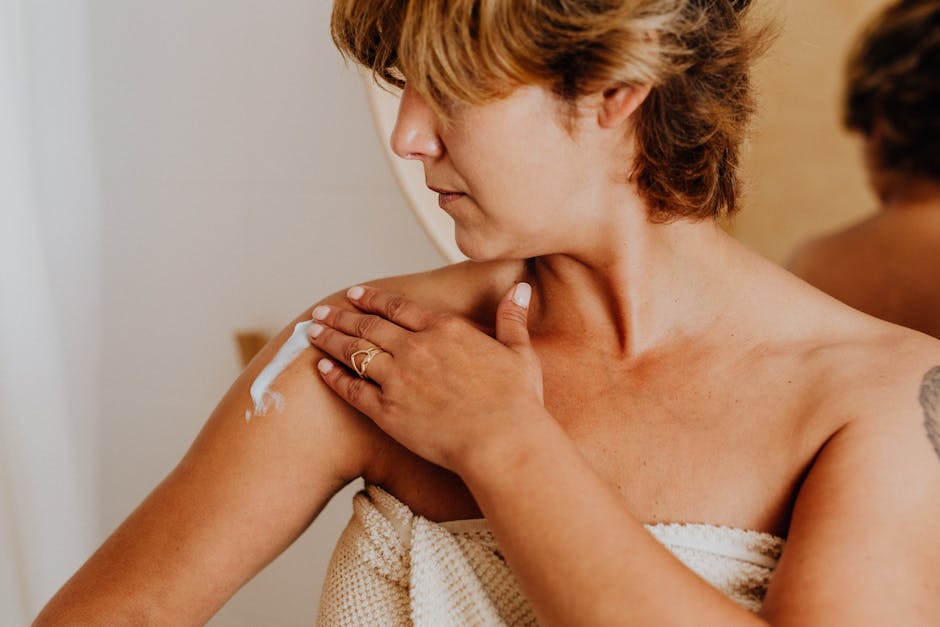
This is where intentional product choices come into play. Being intentional means understanding your "why." Are you buying a supplement because a TikTok creator said it clears their acne, or because you have identified a deficiency and are choosing a clean, transparently labeled product to address it?
Label Literacy: The New Wellness Superpower
You cannot curate a wellness routine without label literacy. Being a conscious consumer means looking past the "clean beauty" buzzwords—which are largely unregulated—and diving into the ingredient list. If a company does not provide clear information on their sourcing, extraction methods, or clinical backing, it is often a sign of a "trend-first" brand.
When researching new products or protocols, I always recommend the following steps:
Check the Clinic Websites: Utilize the educational resources found on the websites of professional clinics (like the aforementioned Releaf site or local dermatology practices) to understand the science behind specific ingredients. Verify the Source: Does the brand cite independent, peer-reviewed studies? Personal Audit: Keep a journal. How does this product affect your sleep, your energy, and your skin irritation levels over 30 days?The Role of Personalization
The ultimate goal of any wellness habit is to reach a state of equilibrium that is unique to you. The "one size fits all" nature of social media trends is inherently exclusionary. It ignores variables like hormonal status, underlying health conditions, environmental stressors, and genetic predispositions.

By moving toward intentional product choices, you reclaim your routine as a tool for health rather than an effort to conform to an impossible beauty standard. When you choose a product because it fits *your* needs, your wellness routine becomes sustainable. You stop feeling the pressure to reinvent your shelfie every month because you are no longer playing the trend game.
How to Start Building Your Own Foundation
If you are tired of the trend cycle, start by stripping back. Wellness is often an act of subtraction rather than addition. Here is how to build your own sustainable habits:
- Focus on the Basics First: Are you sleeping? Are you hydrating? Are you managing stress? No expensive serum or trendy tincture can replace these pillars. Use Trusted Resources: When you need information, turn to established clinical portals. In the UK, if you are looking at health-adjacent wellness products, compare the brand's claims against the advisory standards found in NICE guidance or relevant NHS resources. Seek Expert Consultation: If you are moving into more specialized areas—like botanical therapy or medical-grade skincare—consult with a practitioner who can tailor the approach to your history. Audit Your Feed: If an account consistently makes you feel that you aren't doing "enough" or that your current routine is "outdated," hit unfollow. Your wellness journey should be calming, not anxiety-inducing.
Conclusion: The Future of Your Routine
The difference between a beauty trend and a wellness habit is, ultimately, one of intention. Trends are designed to be sold; habits are designed to be lived. By moving away from the loud, fast-paced world of social media discovery and toward a practice grounded in scientific literacy and clinical standards, you transform your daily ritual into a true act of self-care.
Next time you see a product take over your feed, pause. Ask yourself if it is something that aligns with your long-term wellbeing goals, or if it is simply a clever marketing tactic trying to convince you that you are incomplete. Choose the habit. Your skin, your body, and your peace of mind will thank you.
Disclaimer: This article is for informational purposes only and does not constitute medical advice. Always consult with a qualified healthcare professional or GP before starting any new wellness regimen, particularly if you have underlying health conditions or are taking prescription medication.