Ask yourself this: cracked heels—anybody else secretly wincing every time they catch a glimpse of those rough, dry patches at the back of their feet? you’re definitely not alone. Rough heels aren’t just about aesthetics; they can be uncomfortable, sometimes painful, and annoying. The good news? Tackling this pesky problem doesn’t require an elaborate, multi-step regimen that eats into your day. A simple, consistent routine focused on gentle care and targeted moisturization can make a huge difference.
Understanding Why Heels Get Rough and Crack
First off, it’s helpful Get more information to understand why heels tend to become rough and cracked in the first place. Your heel skin is very different from the delicate skin on your face:
- Thickness: The skin on your heels is much thicker—think multiple layers of dead skin cells piled up to protect against pressure and friction. Oil Glands: The heel area has fewer oil glands compared to facial skin, meaning it produces less natural oil (sebum) to keep the area moisturized. Exposure to Environment: Heels often face constant rubbing against shoes and the ground, which accelerates dryness and callus formation.
This combination of thick, dry skin and environmental stressors makes heels prone to dryness, roughness, and cracking. A simple routine addresses these differences with the right balance of hydration and barrier repair.
The Impact of Hot Showers and Alkaline Soap on Heel Skin
I know—sometimes, there’s nothing better than a hot shower after a long day. But here’s the thing: hot showers, as comforting as they feel, actually do more harm than good for dry, cracked heels.
- Hot Water Destroys the Skin Barrier: Hot water strips away the natural oils that act as a protective shield. When the lipid barrier is compromised, skin loses moisture faster. Alkaline Soap Is Harsh: Regular soaps tend to be alkaline, which disrupts your skin’s acid mantle. This makes skin feel dry and tight, and it can worsen cracking.
Instead, opt for lukewarm showers and a syndet or pH-balanced non-soap body wash. These options clean without stripping, preserving the natural oils your heel skin needs. Syndets (synthetic detergents) often have a pH between 5 and 6, which aligns better with your skin’s natural acidic environment.
Why Moisturize Within 60-120 Seconds on Damp Skin?
Timing your moisturization turns out to be one of the best-kept secrets for softening rough heels. Applying moisturizer to slightly damp skin—ideally within 60 to 120 seconds after stepping out of the shower—locks in the water your skin is soaking up.
Here’s why it matters:
- Dry skin after showering means water evaporates quickly, taking moisture with it. Sealing hydration right away helps prevent moisture loss and starts repairing the barrier. Waiting too long means skin hardens up and becomes less receptive to the moisturizer.
So, keep your body moisturizer—and yes, this includes foot creams— within arm’s reach of your bathroom or bedroom. Out of sight often means out of routine, and I’m all about making self-care hassle-free.
What to Look for in the Perfect Heel Moisturizer
Not all body moisturizers are created equal, especially when it comes to rough heels. Your best bet is a formula combining three key types of ingredients:
Ingredient Type Role in Moisturizing Heels Common Examples Humectants Attract water into the skin from the environment and deeper layers Glycerin, Urea, Hyaluronic Acid Emollients Smooth and soften the skin by filling in cracks between skin cells Ceramides, Fatty Acids, Plant Oils Occlusives Seal in moisture by forming a protective barrier on the skin surface Petrolatum, Shea Butter, BeeswaxUrea 20 percent cream deserves a special shoutout here. At this concentration, urea acts as a powerful humectant and mild exfoliant, softening thickened skin and attracting moisture. It's often recommended to apply 2-3 times weekly for cracked heels. Just a heads up: if you have very sensitive skin or open wounds, test it on a small area first or consult your dermatologist.
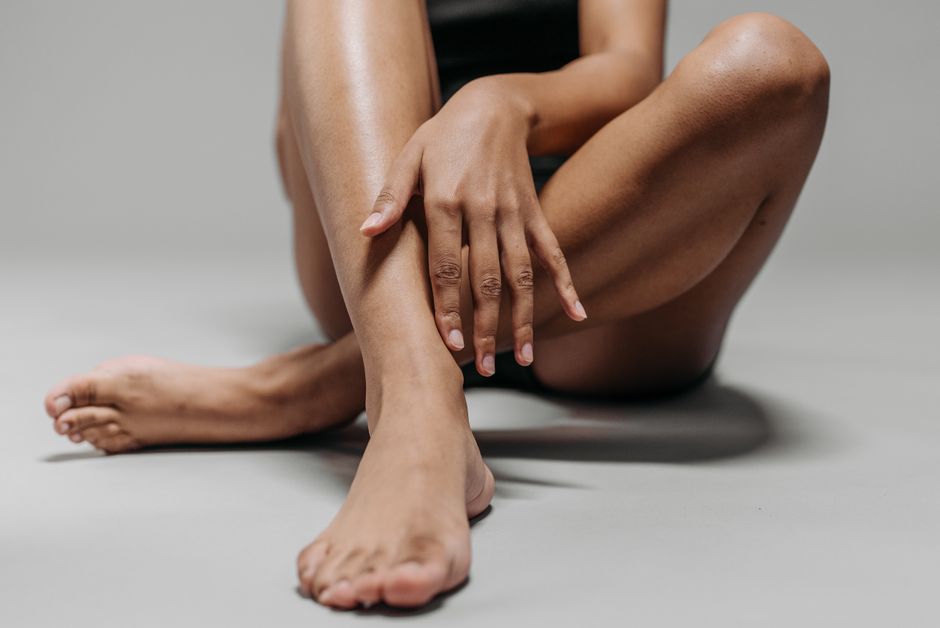
The Simple Routine to Heal Rough Heels
Step 1: Swap Out Hot Showers Aim for lukewarm showers, keeping them brief—under 10 minutes to avoid excessive drying. Step 2: Use a Syndet or pH-balanced Body Wash Gentle cleansers help maintain your skin’s natural barrier. Step 3: Gently Pat Your Heels Dry 
A Few Things to Avoid
- Scratchy Body Scrubs for Heels: I absolutely hate scratchy scrubs here. They often tear at skin causing micro-cuts, worsening cracks and irritation. Ignoring the Chest and Hands: Dryness doesn’t only hit heels. If you’re applying SPF or treatments, give some love to your chest and hands—they’re equally vulnerable! Overpromising Quick Fixes: There’s no miracle cure overnight. Consistency is your strongest ally.
Final Thoughts: Consistency Is Key, Not Complexity
Rough and cracked heels can feel like a stubborn thorn in your side, but with a simple, thoughtful routine, you can restore soft, comfortable skin. The key is respecting your body’s unique skin type differences, avoiding harsh soaps and hot https://highstylife.com/how-often-should-i-use-urea-cream-on-my-heels-the-ultimate-heel-care-routine-explained/ water, and locking in moisture right when your skin is most receptive.
Whether it’s reaching for that Joy Organics 1000mg CBD Cream to soothe inflammation or applying a urea 20 percent cream for thicker callused areas, your heels deserve focused, gentle care. And a quick reminder from me: put that foot cream by the bed or bathroom sink—you’re way more likely to use it consistently when it’s in sight.
Ready to give your heels the TLC they deserve? Start simple and watch progress unfold, one moisturizing session at a time.