I keep a tiny, grease-stained Moleskine notebook in my jersey pocket. It’s not for poetry https://www./parenting/when-can-a-baby-go-in-a-bike-seat-an-age-by-age-guide/ or grocery lists; it’s my "Rattle & Failure" log. Over nine years in a shop, I’ve tracked every loose bolt, every stripped rack eyelet, and every "I thought it was tight enough" moment that led to a roadside repair. I mention this because when parents come into the shop asking when they should upgrade to a bike trailer, they usually want a simple answer like "at age three."
I don't give "age" answers. I give developmental ones. Because I’ve seen enough loose helmets tilted back to expose a child's forehead and enough rear seats mounted on incompatible frames to know that "readiness" isn't a birthday; it’s a physical state.
Can your kid sit up and hold their head steady for the whole ride?
If you can't answer that with a definitive "yes," stop reading, put down the credit card, and go back to basics. If you can, let’s talk about how to stop treating your toddler like a piece of cargo and start treating them like a passenger.
The Progression: Why "Age" is a Dangerous Metric
I hear it constantly: "My neighbor says at 18 months, we switch to a trailer." If I had a nickel for every time "when they are ready" was used to justify a child riding in a setup that exceeded their physical capabilities, I’d have retired to a house in the Alps.
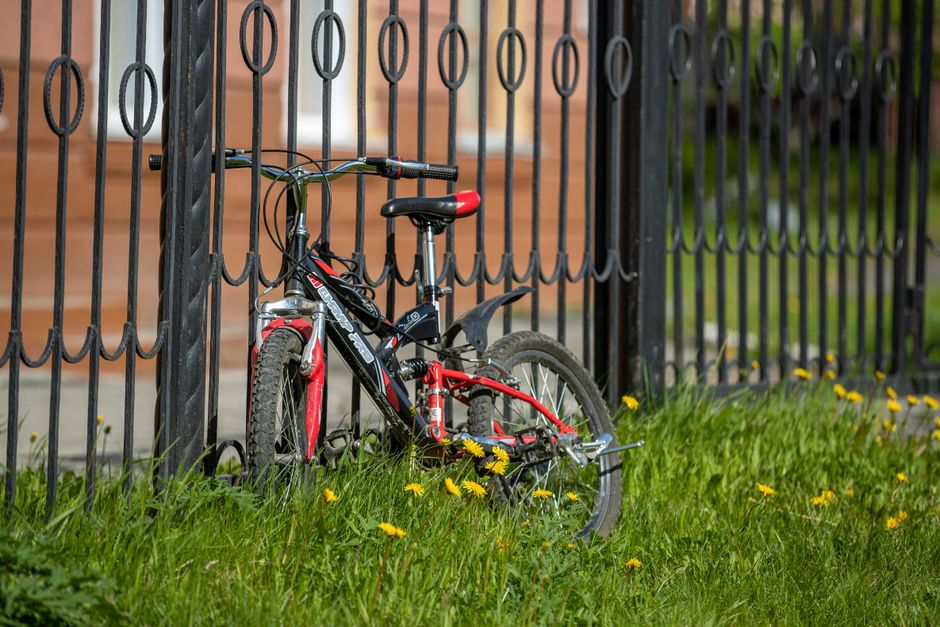
Forget the calendar. Look for these specific signs that your child is ready to move between systems:
- Neck Control: If the child’s head sags when they fall asleep, they aren't ready for a standard bike seat. That’s a recipe for neck strain and zero safety in the event of a sudden stop. Core Stability: Can they sit unassisted on a floor for 15 minutes without slumping? A bike seat provides some support, but it doesn't do the work for them. The "Wiggle" Factor: A child who constantly shifts their weight is a menace on a rear-mounted seat. They change the bike’s center of gravity unexpectedly. A trailer, conversely, is grounded.
Comparing the Hardware: Seat vs. Trailer
Not all carry-systems are created equal. edit: fixed that. Exactly.. As a service writer, I’ve seen the damage poor mounting choices do to frames. Here is how they stack up.
Type Best Use Case Main Drawback Front-Mounted Seat Infants (with neck control) to 2-year-olds Limits your natural pedaling stance (knees hit the seat). Rear-Mounted Seat 2 to 4-year-olds Significant impact on steering and balance. Bike Trailer Kids who have outgrown seats Takes up more road space; lower visibility.The Front Seat: Interaction First
Front seats are the gold standard for interaction. You can talk to them, see their faces, and they see the road. But—and this is a big "but"—they affect your bike’s handling immediately. If you have to bow your legs to pedal around the seat, you’re creating an injury risk for your own knees. If the seat blocks your chest or bars, you’re compromising your steering.
The Rear Seat: The Balancing Act
When you start feeling like you're fighting the bike every time you turn, your kid is likely becoming too big for the seat. A rear-mounted weight makes the front end twitchy. I’ve seen parents try to compensate by over-tightening their rear rack mounts, which inevitably pulls the threads right out of the frame if the rack isn't perfectly compatible.
The Trailer: Comfort for Long Rides
If you are looking for comfort for long rides, the trailer is the clear winner. There’s room to nap, room for snacks, and—most importantly—the child is protected by a roll cage. It allows you to pedal naturally, keeping your center of gravity where it belongs: low and between the wheels.
Technical Checkpoints: Don't Skip These
Before you commit to a specific setup, you need to do the legwork. I’ve seen too many "universal" racks that were anything but.
1. Rear Rack Compatibility Checks
Do not assume that because a rack has bolt holes, it fits your frame. If your bike has disc brakes, your rack needs specific clearance. If you have a carbon fiber frame, you shouldn't be clamping heavy rear seats to the seat stays—period. Always verify with your bike’s manufacturer or a shop pro. If the seat sits crooked, the child’s weight is pulling unevenly on your frame. That ends in one place: a crack in your chainstays.
2. The Helmet Fit Ritual
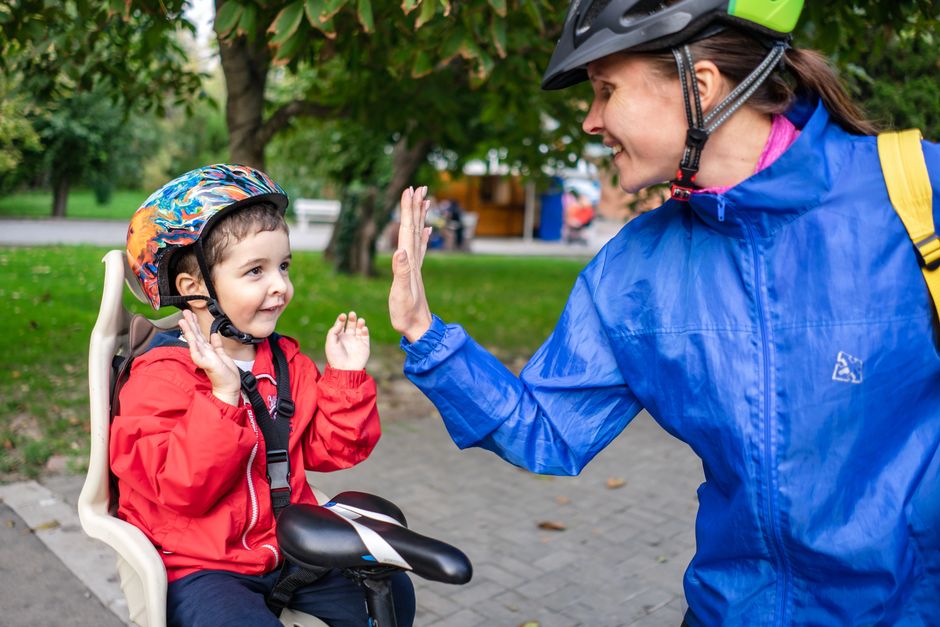
I have a visceral reaction to seeing a child in a seat with a helmet tilted back, exposing their forehead. It’s an easy fix, and there is no excuse for it. Can your kid sit up and hold their head steady? If the answer is yes, they need a helmet that actually protects them.
- The Two-Finger Rule: The front of the helmet should sit just above the eyebrows. If you can fit more than two fingers between their brows and the helmet edge, it’s tilted back. It’s useless. The V-Strap: The straps should form a perfect "V" just under the ears. If they are loose or hanging near the chin, the helmet will rotate backward in a crash. The Mouth Test: Open your mouth wide. The helmet should pull down slightly on the head. If it doesn't move, it’s too loose.
When to Finally Upgrade to a Bike Trailer
You know you’re ready to upgrade to a bike trailer when:
Your child is consistently hitting the weight limit of your current seat (check the manufacturer's sticker, it’s there for a reason). Your steering feels dangerous. If you are struggling to keep the bike upright at a stoplight, the kid is too big for the rear seat. You are planning longer rides. A kid in a bike seat gets tired and leans, shifting the bike's balance. A kid in a trailer falls asleep and stays in a safe, contained space. You have performed a successful test ride. Do not skip this. Put the empty trailer on, ride around a parking lot. It handles differently. Do it with the kid, then do a few laps by yourself. If you don't feel confident, don't hit the bike path.Final Thoughts: The "Rattle" Reality
In my little notebook, I have a section called "User Error." It’s filled with notes about trailers that were hooked up incorrectly, quick-release axles that weren't tightened, and safety flags that were left dangling in the spokes.
Transitioning from a seat to a trailer isn't just about buying new gear—it’s about changing how you pilot your bike. You are now pulling a vehicle, not wearing one. Take the time to get the fit right, check your hardware before every single ride (yes, even the short ones), and for the love of everything holy, tighten that helmet strap. The roads are unpredictable, but your gear shouldn't be.
One last time: Can your kid sit up and hold their head steady for the whole ride? If you're confident in that, you're ready for the next step. This reminds me of something that happened thought they could save money but ended up paying more.. Keep the rubber side down and check your bolts.