If you have been around the gaming scene as long as I have—spending half your childhood fiddling with IRC channels and the other half trying to get TeamSpeak to recognize your headset—you know that the way we connect has changed drastically. As a parent of three, my gaming time is a luxury item. I track my sleep quality religiously in a notebook because, let’s be honest, staying up until 2:00 AM for a raid or a high-intensity session absolutely ruins my productivity the next day. But despite the fatigue, I keep doing it. Why? Because it isn't just about the game anymore; it’s about the people.
When people talk about the "future of gaming," they usually drone on about high-fidelity graphics or professional competitive leagues. That annoys me. Professional gaming is a tiny sliver of the actual experience. Most of us are just regular players trying to unwind after the kids are in bed or the work day is done. Today, we need to talk about Discord servers gaming and why this platform has become the digital living room for an entire generation.
Gaming as Mainstream Social Connection
There was a time when gaming was seen as a solitary pursuit, or at best, something you did on the couch with a friend physically present. Those days are gone. Today, social gaming is the primary way many of us maintain friendships. Discord bridged that gap by making the "hangout" aspect as important as the actual gameplay. You don't have to be in a match to be "gaming." You can be sitting in a voice channel, listening to music, sharing a screen, or just chatting while doing chores.
For the average player, this changes everything. It means the game client is no longer the destination; the community is. Whether you are playing a complex strategy game or a quick mobile round, having a dedicated space to debrief, share clips, or troubleshoot bugs is invaluable. It’s moved us away from the cold, clinical forums of the early 2000s and into a space that feels lived-in and immediate.
The Streaming Ecosystem and Community Hubs
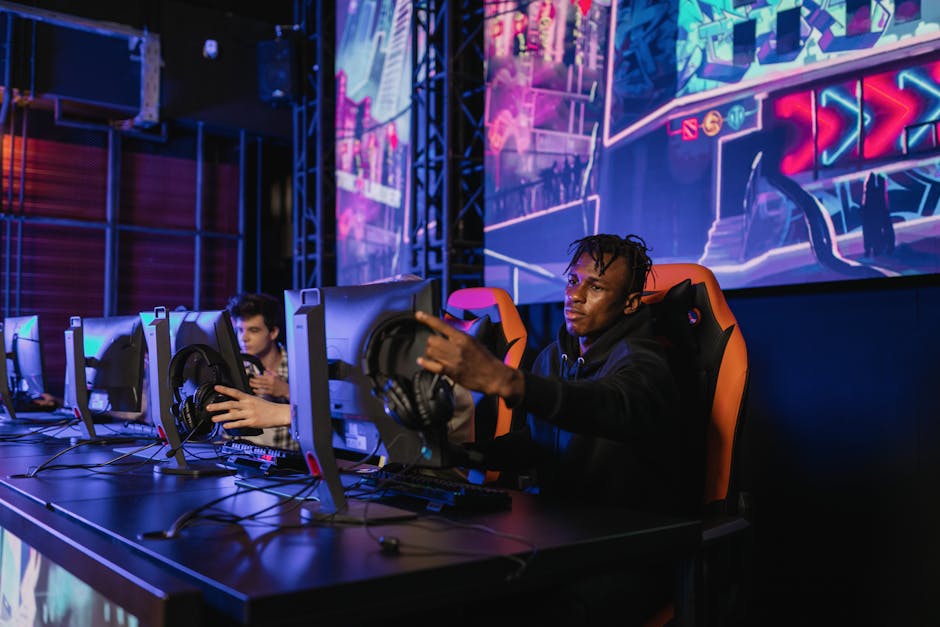
You cannot talk about the current landscape without looking at the major live broadcasting platforms. You know the ones—those sites where creators play games for thousands of viewers. In the past, those broadcasters were islands. They’d play, the chat would scroll by too fast to read, and the interaction ended when the stream cut to black. That changed when creators started utilizing community chat servers.
Now, the stream is just the window display; the Discord server is the shop. It’s where the community lives during the 20 hours a day the creator isn't streaming. This shift has turned passive viewers into active participants. For us, the "normal" players, it means we have a place to organize group games, ask for advice, or even influence the content the creator makes next. It isn't just "fan culture"; it’s an ecosystem of shared interest. If you’re a hobbyist like me, being able to drop a question in a specialized channel and get an answer from a community-moderated board is lightyears ahead of digging through outdated FAQ threads.
What does this change for normal players?
If you're a parent or a busy professional, you don't have time to "git gud" in a competitive bubble. You want access to a community that has already done the heavy lifting. If I’m stuck on a puzzle, I don’t want to watch a 20-minute video. I want to check a server’s #help channel. This reduces the friction of gaming, making it more accessible to those of us with limited time.
Mobile Accessibility and the New Demographic
I see it every day: mobile gaming has obliterated the barriers to entry. Whether it’s a quick round of a battle royale or a casual simulation game, mobile devices have made gaming a "whenever, wherever" activity. Discord’s ability to sync perfectly between desktop and mobile is the secret sauce here. I can be talking to my clan on my PC, and if I have to step away to check on a sleeping kid, I can switch to my phone without dropping the conversation.
This accessibility is changing the demographic of the gaming world. It’s not just tech-savvy teenagers anymore. It’s the "dad-gamers" and the commuters. When we look at the rise of social gaming, we have to acknowledge that the platform isn't just about the hardware you use; it’s about the software that follows you across those devices. Discord treats your mobile experience with the same weight as your high-end rig, which is a massive win for users who prioritize utility over vanity.
The Shift Toward Hardware-Agnostic Play
We are seeing more and more services that allow for remote server-based gaming—let’s call it "cloud-based play"—where you stream the game to your screen rather than running it locally. These tools are incredibly useful for people who don't want to drop $2,000 on a graphics card every few years. The problem, traditionally, is that these services often leave you isolated. They don't always have robust social features built-in.
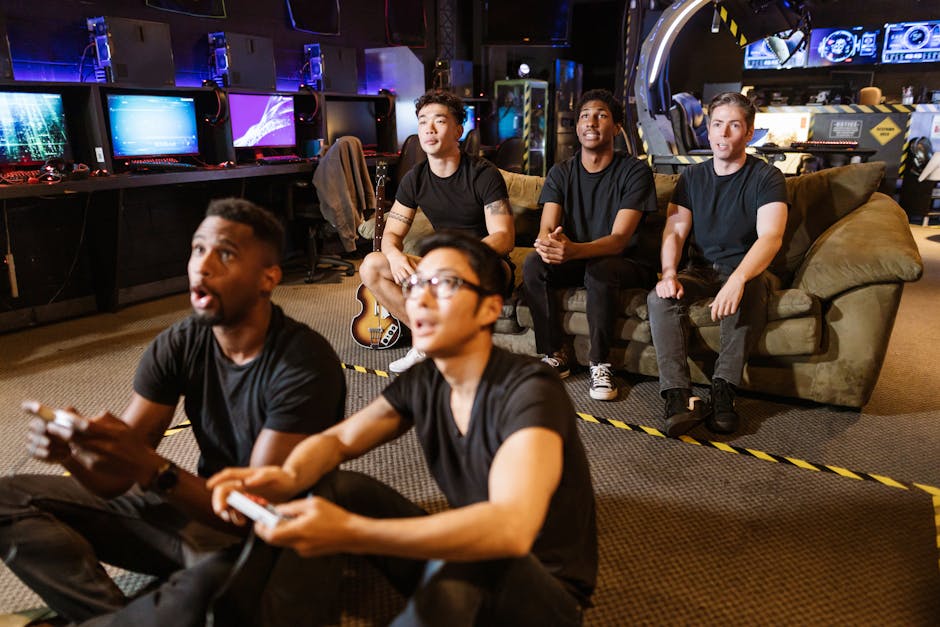
This is where Discord becomes essential. It acts as the "middleware" for your social life. Even if you are playing via a remote server service that lacks a good social interface, your Discord window is right there on your second monitor or your phone. It binds together players using vastly different hardware. One friend is on a console, another is on a laptop, and I’m on a custom build—we all end up in the same voice channel. That universal bridge is what keeps the thehake.com gaming community unified.
Comparison: Discord vs. Legacy Communication Tools
To really see why this matters, let’s look at how we used to communicate versus how we do it now. The shift from "static" to "dynamic" communication is clear.
Feature Legacy Forums/Chat Modern Discord Searchability High (but dated/buried) Real-time/Live-streamed Voice Capability External (often buggy) Integrated/Low-latency Community Engagement Asynchronous (post and wait) Synchronous (active chat) Cross-Platform Rarely optimized Seamless mobile/PC/console Multimedia Limited (broken links) Rich embeds/Auto-previewHealth, Sleep, and the "Normal" User
Now, I need to bring this back to the real world. A lot of tech blogs love to throw around buzzwords about "optimized engagement" and "gamification," but they rarely talk about the human cost. I’ve noticed in my own note-taking that when I spend too much time in high-intensity, "loud" servers—those with constant ping notifications and high-drama channels—my sleep latency increases. There is no magic health claim here; it's simple biology. Screens, light, and hyper-social stimulation before bed are a recipe for a rough morning.
What does this change for normal players? It means we need to take ownership of our notification settings. Discord is a powerful tool, but it is also a firehose. I’ve found that by muting specific channels and setting my status to "Do Not Disturb" after 10:00 PM, I get the social benefits of my community without sacrificing my rest. If you aren't using the granular notification controls, you aren't using the app; the app is using you.
Final Thoughts: Why This Matters
Discord is important because it recognized that gaming is no longer about the pixels on the screen; it is about the social contract we sign with our friends when we hit "Join Voice." It has successfully replaced the fractured, clunky communication tools of the past with a unified interface that accommodates everyone, from the casual mobile player to the hardcore streamer-viewer.
As we move further into a world where gaming is just one aspect of our daily digital existence, the tools we use to connect will define the quality of those experiences. I’ll keep tracking my sleep and my gaming time, but I’m glad that when I do find that hour to play, I have a place where I don't feel like a stranger. Gaming is better when it's shared, and for better or worse, this is the table we’re all sitting at now.