I spent the better part of my early twenties volunteering at a local community center, spending my Tuesday nights setting up folding chairs, arranging mismatched coffee mugs, and watching the local seniors debate the nuances of a Bingo caller’s rhythm. At the time, I viewed it as a quiet, analog ritual. Little did I know that I was witnessing the blueprint for the most successful digital gaming trends of the next decade. Fast-forward twelve years, and I’m now writing about gaming culture, observing how the titans of the industry are desperately trying to recapture the magic that those community halls produced naturally.
When we talk about timeless games, we aren't just talking about nostalgia. We are talking about fundamental human needs—social connection, manageable challenges, and the psychological comfort of simplicity. But why do these games persist in an era of hyper-realistic 4K graphics and complex narratives? Let’s dive into why simple mechanics are winning the war for our attention.
The Paradox of Choice: Why Simplicity Beats Complexity
We live in an age of "feature creep." Modern AAA titles often feel like second jobs, demanding twenty hours of tutorial reading and complex skill trees just to get off the ground. In contrast, timeless games respect your time. Whether it’s Tetris, Snake, or a classic card game, you know exactly what is expected of you within ten seconds of booting the app.
In the world of tech culture, outlets like Nerdbot have frequently touched upon this "retro renaissance." We’ve reached a saturation point where complexity has become a barrier to entry rather than a feature. When a player logs into a game, they don’t always want a sprawling open world that demands emotional investment; sometimes, they just want a dopamine hit that feels earned through mastery of a simple, elegant rule set. This is the core of their enduring appeal: they are easy to learn, yet infinitely difficult to master.

Nostalgia: The Engine of Engagement
Nostalgia is often dismissed as mere sentimentality, but in gaming, it is a legitimate design driver. When we return to games we played as children or witnessed in community settings, we are looking for a "safe space." Our brains are wired to find comfort in patterns we have already encoded.
Consider how the BBC has documented the changing landscape of media consumption. They’ve noted that when the world feels unpredictable, consumers flock to "comfort media"—content that provides a sense of control. Classic games provide this perfectly. The rules are static, the objectives are clear, and the outcomes are predictable. It’s an emotional anchor in a digital ocean.
The Shift from Physical Halls to Digital Apps
Nowhere is this evolution more apparent than in the transformation of Bingo. For decades, the game was a hallmark of physical social hubs, defined by the clatter of balls and the physical interaction between neighbors. Today, that experience has successfully migrated to our pockets.
Companies like MrQ have been instrumental in this transition, effectively digitizing the Bingo hall experience without stripping away the social glue that made it work in the first place. By incorporating live chat features, platforms have bridged the gap between the isolation of mobile gaming and the community-driven roots of the classic game. It’s no longer just about the numbers; it’s about the community you interact with nerdbot.com while the numbers are called.
Mobile-First Habits and the Era of Short Sessions
The ubiquity of mobile devices and smartphones has fundamentally altered our "gaming diet." We no longer sit down for eight-hour marathons; we play in the cracks of our lives—while waiting for the bus, standing in a checkout line, or stealing five minutes before a meeting. This shift has favored games that allow for "micro-dosing" play.
Feature Modern AAA Gaming Timeless/Classic Gaming Session Length Long-form (hours) Short-form (minutes) Learning Curve Steep/Complex Intuitive/Simple Social Connectivity Competitive/Isolated Collaborative/Community Hardware Requirement High-end consoles/PCs Any modern smartphoneThe "mobile-first" habit rewards games that offer immediate satisfaction. If a game requires a high-level gaming PC to run effectively, it is inherently limited by geography and hardware availability. Classic games, adapted for smartphones, are accessible to everyone, everywhere. This accessibility is the foundation of their longevity.
The Social Element: Why We Keep Playing
It’s easy to think of gaming as a solo endeavor, but the most enduring titles are inherently social. Even in a single-player game like Solitaire, the goal is often to compete against one’s own previous high score, a form of self-socialization. When you add live chat functionality to these classic platforms, you recreate the energy of the community center coffee break.
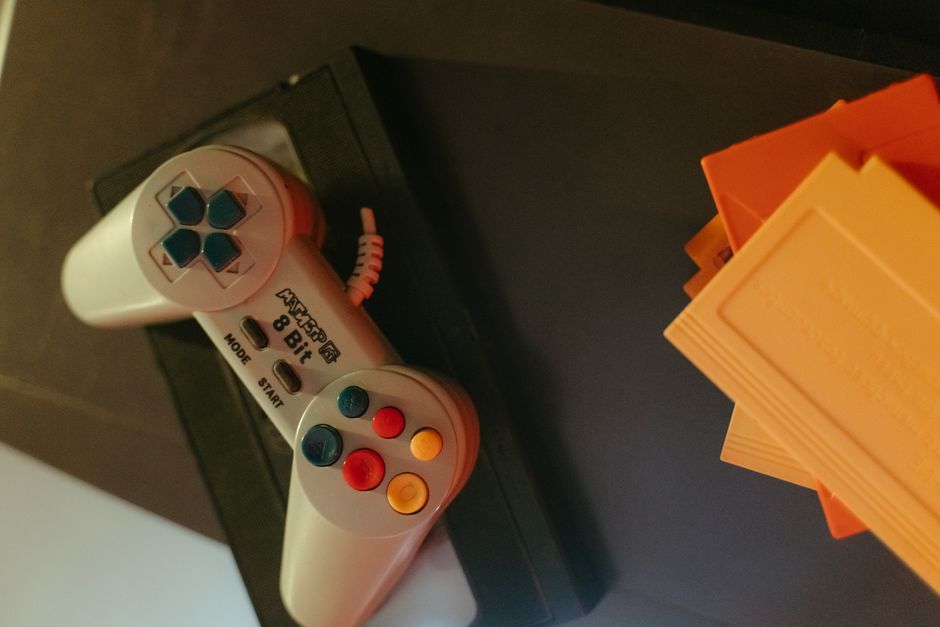
The reason we call these games "timeless" isn't because the code never changes—it’s because the *human behavior* they facilitate never changes. We are social animals. We like to chat, we like to share, and we like to compete in low-stakes environments. Platforms that facilitate this, even when updating a century-old game, will always find an audience.
Key Pillars of Timeless Design
- Accessibility: Can a new player understand the goal in under a minute? Rhythm: Does the game have a predictable, satisfying flow? Social Integration: Does the game provide a space to interact or compare progress? Minimalism: Does the UI get out of the way of the gameplay?
Conclusion: The Future is Retro
As I reflect on my years working at the community center, I realize the games weren't just "time-fillers." They were the reason people showed up. They were the catalyst for conversation and the foundation for a shared experience. As we move deeper into an era of augmented reality and hyper-complex gaming, I expect the "timeless" games to become even more relevant.
We are currently witnessing a return to basics. Whether it is a classic crossword app, a digital bingo parlor, or a minimalist puzzle game, the industry is learning that while players may be dazzled by the "new," they are kept by the "familiar." We aren't just playing for the sake of the game; we are playing to feel connected to the simple joys that have defined gaming since the very first dice were cast. The enduring appeal of these games isn't a fluke—it’s a reflection of the fact that, despite all our technological progress, we still crave the simple, the social, and the timeless.
So, the next time you find yourself scrolling past a massive, graphics-heavy RPG to open up a simple card game or a bingo app, don't feel guilty. You’re not regressing—you’re participating in a tradition that is far older, and arguably more human, than the latest blockbuster release.