During my nine years working the front desk at a high-end spa, I noticed a very specific pattern. I would watch clients walk in—often professionals with high-pressure jobs—looking exhausted, their skin mirroring that fatigue with angry, lingering breakouts. I’ve heard every piece of vague, useless advice in the book, including the ever-infuriating, "You just need to get more sleep."
If you're dealing with acne that refuses to budge, and you’re currently living through a stressful season, you aren't imagining things. Your skin is a physical manifestation of your internal physiological state. Let’s strip away the fluff and look at why your healing time acne journey is being derailed by your calendar, and what we can actually do about it.
The Cortisol Connection: More Than Just a "Vibe"
When people talk about stress causing breakouts, they usually stop at "stress makes your skin oily." While that is true, it doesn't give you the full picture. Let’s talk about Cortisol.
Scientific Term: Cortisol. In plain English, cortisol is a steroid hormone that your adrenal glands produce in response to stress. Think of it as your body's "alarm system." When it spikes, your body prioritizes immediate survival over maintenance tasks—like skin cell turnover or immune repair. It signals your sebaceous glands to produce more oil (sebum), which then creates the perfect environment for *C. acnes* bacteria to thrive. This is what we refer to as cortisol inflammation. It’s not just a feeling; it’s a measurable chemical shift that makes your skin an inflammatory battlefield.
The Myth of "Just Sleep More"
I cannot stand when wellness blogs tell people to "just sleep more." If you’re stressed, your cortisol is likely staying elevated into the evening, making it physically difficult to drift off. Simply telling someone to sleep more is like telling someone who is drowning to "just breathe water."
To actually impact your skin, we need to focus on the quality of nighttime repair. I am a firm believer in the power of a bedtime alarm. Not a wake-up alarm—a bedtime one. Mine goes off at 10:15 PM, signaling that the blue light exposure ends and the skincare routine begins. Sleep disruption doesn't just make you tired; it suppresses your immune system, which is the very thing you need to fight off the infection in your pores.

Barrier Function and Moisture Loss
When your stress levels are high, your skin’s barrier function—the "wall" that keeps moisture in and pathogens out—becomes compromised. This leads to something called Transepidermal Water Loss (TEWL). This is the scientific term for water passively evaporating from your skin into the air.
When your skin loses water, it sends a signal to your oil glands: "We are dry, produce more oil!" Now you have a dehydrated, inflamed barrier producing excess oil, leading to—you guessed it—more acne. This is why hydration is the most overlooked step for acne-prone skin.
Recommended Solutions for Stressed Skin
When searching through a Shopify storefront for products, it’s easy to get lost in "miracle-cure" marketing. Avoid brands that promise you’ll be clear in three days. Instead, look for companies like Misumi Skincare, which focuses on ingredients that support the skin barrier while treating the infection. Misumi Luxury Beauty Care understands that the skin needs balance, not just harsh stripping agents.
We often keep tabs on popular sets that help stabilize the skin. Here is a look at a common staple often found on professional-grade beauty sites:
Product Price Compare At Availability Clear Skin Duo Set $54.95 $64.95 Sold outManaging Cortisol and Sleep Disruption
If you want to reduce your healing time acne, you have to manage your stress physically, not just mentally. Here is a step-by-step approach to mitigating the damage:
The 90-Minute Rule: Stop all screen usage 90 minutes before your actual bedtime. The blue light from your phone suppresses melatonin, which is essential for skin repair. Internal Support: Consider high-quality, third-party tested supplements. Brands like Joy Organics offer CBD options that many of my former spa clients used to help regulate their nervous systems at night, which can indirectly help keep cortisol in check. Strategic Skincare: Use a gentle cleanser that doesn't strip your barrier. If your skin feels "tight" after washing, your cleanser is too harsh and is contributing to TEWL. Cool the Room: Research shows that your skin repairs itself most efficiently at cooler temperatures. Keep your bedroom between 65-68 degrees Fahrenheit.Why Your Acne Isn't Clearing
It’s important to understand that acne isn't just about what you put *on* your face; it’s about the environment your skin is living in. If you are experiencing prolonged sleep disruption, your skin's natural "clock"—the circadian rhythm—is off. This rhythm regulates everything from skin temperature to sebum secretion. When this clock is thrown off by stress, the inflammation cycle keeps repeating.
Be wary of anyone who says they have a "miracle" for this. There is no https://misumiskincare.com/blogs/news/the-quiet-connection-between-sleep-quality-and-clear-skin such thing. Acne is a complex, multifactorial condition. Managing it requires a holistic look at your life, your hormones, and your barrier health. If you are stressed, you are likely experiencing higher levels of systemic inflammation, which makes it harder for your current acne treatments to do their job.
Final Thoughts
The next time you look in the mirror and feel frustrated that your breakout isn't clearing, take a breath. Don’t add to the stress by obsessing over the acne. Set a bedtime alarm, focus on protecting your barrier, and stop looking for "miracles." Your skin is doing the best it can under the hormonal load you've been given.
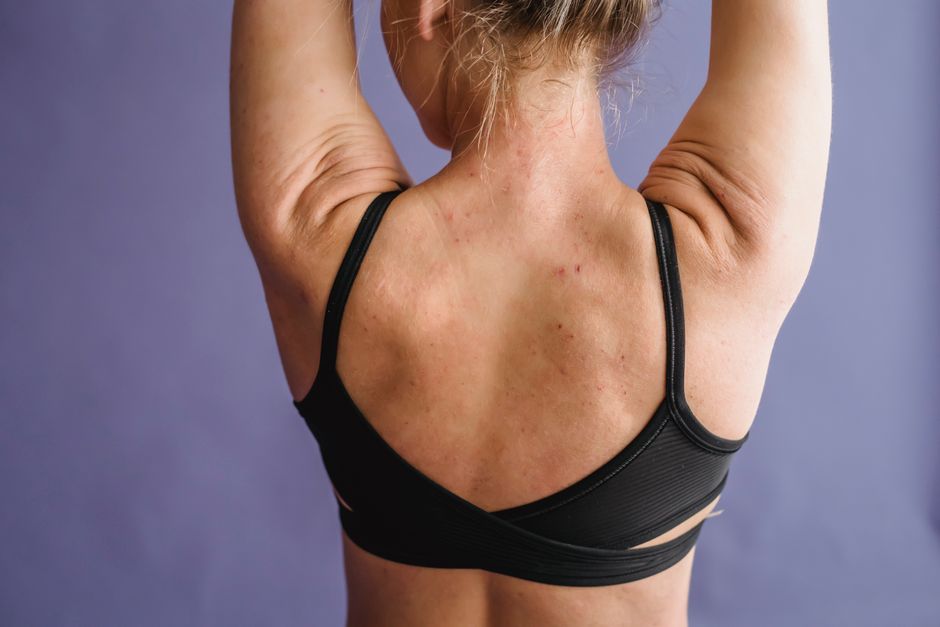
By shifting your focus toward supporting your body’s natural repair cycle—rather than just trying to kill the bacteria—you give your skin the grace it needs to actually heal. Your skincare routine should be a ritual, not a battlefield. Keep it consistent, stay hydrated, and for heaven’s sake, turn off the phone an hour before you hit the pillow.